
Adobe Leadership Change: Chakravarthy Set to Lead AI-Driven Growth in 2026
Adobe's leadership transition in 2026: Chakravarthy to lead AI-driven growth. Learn about the strategic shift and its impact on creative software and digital experiences.
LazyFounders
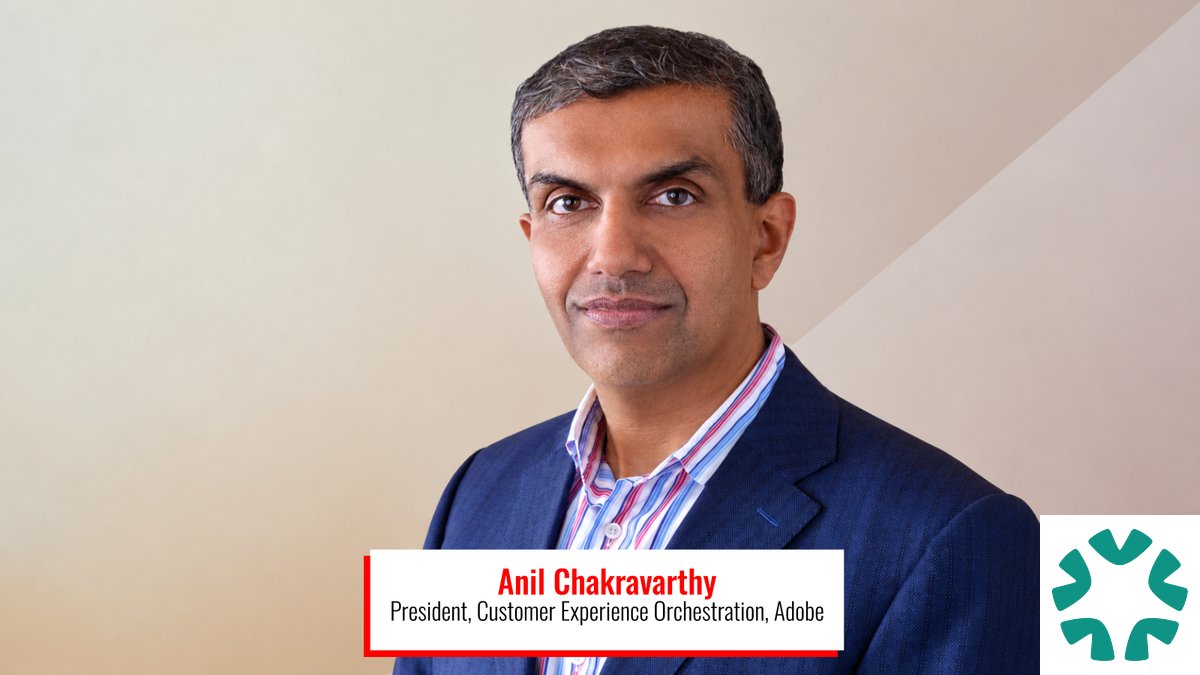

Adobe Leadership Change: Chakravarthy Set to Lead AI-Driven Growth in 2026
30 SEC SUMMARY
Adobe is undergoing a significant leadership transition in 2026, with Anil Chakravarthy taking over as CEO and Shantanu Narayen shifting to executive chair. This change aims to propel Adobe into an AI-driven growth phase, leveraging its expanding AI business and Firefly platform. The transition signifies a strategic shift towards more agentic software for creativity and customer experience.
TABLE OF CONTENTS
- Introduction
- Leadership Transition Details
- Strategic Shift to AI-Driven Growth
- Impact on Adobe's Business
- Competition and Market Dynamics
- Regulatory Considerations
- FAQs
- Conclusion
- Call-to-Action
Introduction
Adobe is set for its most significant leadership change in nearly two decades. On December 1, 2026, Anil Chakravarthy will become the president and CEO, while Shantanu Narayen transitions to executive chair. This shift comes as Adobe aims to leverage rapid advances in artificial intelligence (AI) to drive growth across its creative software, document tools, and digital customer experiences.
Leadership Transition Details
Anil Chakravarthy, an internal leader with a focus on Adobe's enterprise-facing business, will lead the company into its next phase. Currently, he oversees customer experience orchestration and worldwide field operations. Chakravarthy has been instrumental in expanding Adobe's enterprise business through products like Adobe CX Enterprise, GenStudio, and Brand Visibility, and scaling Adobe Experience Platform.
Shantanu Narayen, who has been Adobe’s CEO since 2007 and chairman since 2017, has overseen a major transformation, particularly the shift to cloud-based subscriptions and expansion into digital experiences. Narayen believes Chakravarthy is the right choice to lead Adobe's growth in an AI-driven era.
Strategic Shift to AI-Driven Growth
The leadership change appears to be a continuation rather than a break from Adobe's existing direction. It aims to carry the company into a more AI-intensive phase. Narayen expressed confidence in Chakravarthy's ability to lead Adobe's growth in this era, stating, “I could not be more confident that Anil is the right person to lead Adobe's growth in an AI-driven era.”
Chakravarthy emphasized the potential of software that can carry out multi-step tasks rather than respond to individual commands. He is enthusiastic about fueling growth and driving Adobe’s leadership in agentic software for creativity, productivity, and customer experience.
Impact on Adobe's Business
Adobe’s AI business is becoming increasingly central to its financial and product strategy. In the second quarter of fiscal 2026, Adobe reported record revenue of $6.62 billion, up 13% year on year, with AI-first annual recurring revenue more than tripling to above $500 million.
The company has been expanding its generative AI platform, Firefly, into more creative workflows and adding AI agents across products such as Photoshop and Premiere.
Competition and Market Dynamics
The competition in the AI-driven market is intensifying. Canva has broadened its challenge to professional creative software through Affinity, which it acquired and made free. Salesforce is also deploying AI agents for marketing and customer engagement.
These moves suggest that AI is not just adding features to established software products but is changing how creative work, marketing, and customer interactions are organized and delivered.
Regulatory Considerations
Regulation is becoming part of the AI environment. In the European Union, the AI Act became broadly applicable on August 2, 2026, with new transparency requirements covering certain AI-generated and altered content. For Adobe, whose products increasingly generate and modify media, these rules add another layer of responsibility around how AI systems and their outputs are identified and governed.
FAQs
What does this leadership change mean for Adobe's future?
The leadership change signifies Adobe's strategic shift towards more AI-driven growth, focusing on agentic software for creativity, productivity, and customer experience.
How is Adobe's AI business performing in 2026?
Adobe's AI business is performing exceptionally well, with AI-first annual recurring revenue tripling to above $500 million in the second quarter of fiscal 2026.
What are the competitive dynamics in the AI market?
The AI market is becoming highly competitive, with Canva and Salesforce making significant moves to integrate AI into their products for creative software and marketing.
Conclusion
Adobe's leadership transition in 2026 marks a pivotal moment for the company as it moves into an AI-driven growth phase. With Chakravarthy at the helm, Adobe is poised to leverage its expanding AI capabilities to drive innovation and growth in creative software and digital experiences.
Call-to-Action
For more insights into Adobe's strategic moves and industry trends, visit blogy.in.
Sources
This story is an original summary and analysis written by LazyFounders from the reporting listed above. Facts are attributed to their original publishers; sections marked as analysis are LazyFounders's opinion. Where a source is in another language, facts were machine-translated and quotations are reported, not reproduced. Read the original coverage via the links.