
AI Agents: Revolutionizing Transactions in the Intelligent Era
Explore how AI agents will revolutionize transactions in the intelligent era. Discover insights from Dr. Pramod Varma on the future of internet, businesses, and value exchange.
LazyFounders

30 SEC SUMMARY
\n- Dive into the future of AI-led agents with Dr. Pramod Varma.
- Understand the shift from app-based to agentic operating systems.
- Learn about the Internet of Value and open networks.
- Explore India’s role in the next digital economy.
TABLE OF CONTENTS
1. Introduction
2. The Rise of AI Agents
3. The Internet of Value
4. Open Networks and Agentic AI
5. India’s Opportunity
6. TechSparks 2026
7. Key Highlights
8. FAQ Section
9. Conclusion
10. Call-to-Action
KEY HIGHLIGHTS
- AI agents will redefine internet usage and business transactions.
- Dr. Pramod Varma discusses the future of AI-led agentic systems.
- The Internet of Value and open networks will shape the next digital economy.
- India’s potential in the intelligent era.
- Insights from TechSparks 2026 event.
1. Introduction
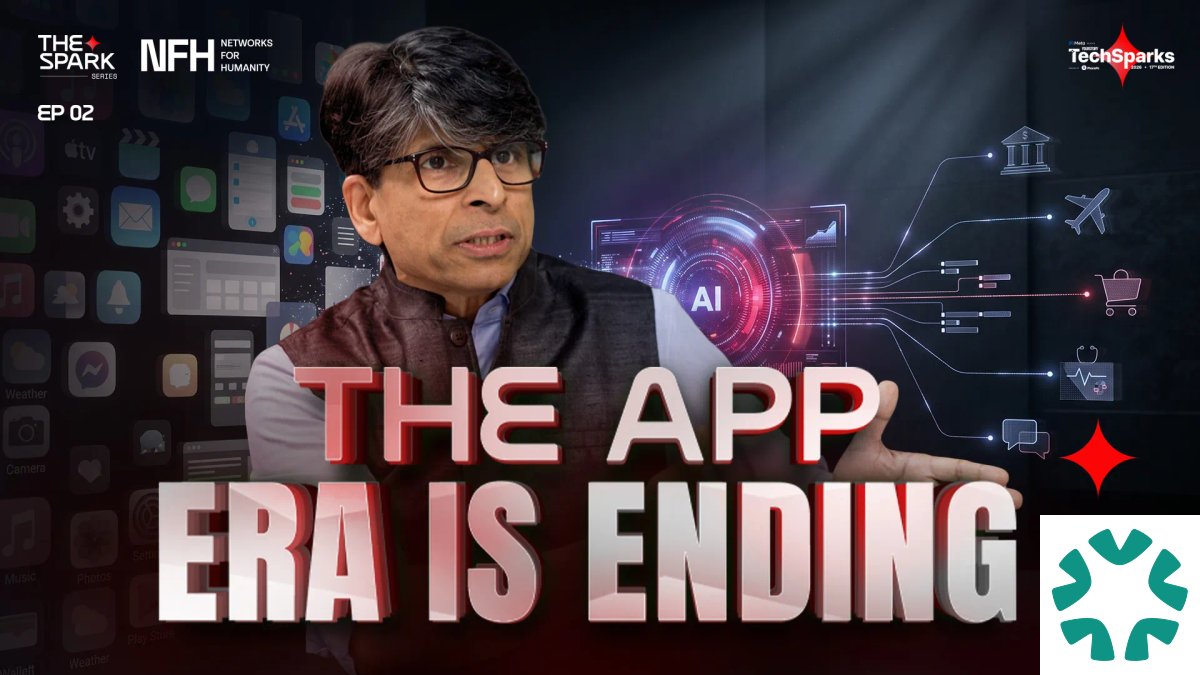
\nIn the intelligent era, AI agents are set to revolutionize how we interact with the internet and conduct business. On Episode 2 of #TheSparkseries, we delve into this transformative shift with Dr. Pramod Varma, Co-founder & Chief Architect at Networks for Humanity.
2. The Rise of AI Agents
\nAI agents are not just making software smarter; they are poised to change the fundamental workings of the internet. These agents will handle transactions, negotiate on behalf of users, and manage value exchanges in ways we have never seen before.
3. The Internet of Value
\nDr. Pramod Varma explains the concept of the Internet of Value, where every transaction is tracked and managed by AI agents. This new paradigm will replace the current app-based internet with an agentic operating system, fundamentally altering how businesses operate and value is exchanged.
4. Open Networks and Agentic AI
\nOpen networks will allow billions of AI agents to interact seamlessly, creating a decentralized and transparent digital economy. This shift will be underpinned by robust infrastructure, enabling secure and efficient transactions.
5. India’s Opportunity
\nIndia stands at the forefront of this intelligent era. With its robust digital public infrastructure, including Aadhaar and UPI, the country is well-positioned to lead in the development and adoption of AI agents and the Internet of Value.
6. TechSparks 2026
\nJoin us at TechSparks 2026, held on October 13th, 14th, and 15th at Taj Yeshwantpur, Bengaluru. This event will bring together thought leaders to discuss the future of technology and innovation.
7. Key Highlights
- AI agents will redefine internet usage and business transactions.
- Dr. Pramod Varma discusses the future of AI-led agentic systems.
- The Internet of Value and open networks will shape the next digital economy.
- India’s potential in the intelligent era.
- Insights from TechSparks 2026 event.
8. FAQ Section
**Q: What are AI agents and how will they change the internet? A: AI agents are intelligent software entities that will manage transactions, negotiate, and handle value exchanges on behalf of users, leading to a new agentic operating system.
**Q: What is the Internet of Value? A: The Internet of Value is a future where every transaction is tracked and managed by AI agents, replacing the current app-based internet.
**Q: How can India benefit from the intelligent era? A: India’s robust digital public infrastructure positions it to lead in the development and adoption of AI agents and the Internet of Value.
9. Conclusion
\nAI agents are set to revolutionize the way we interact with the internet and conduct business. With Dr. Pramod Varma’s insights, we can foresee a future where AI-led agentic systems will redefine transactions and value exchange, creating a new digital economy.
10. Call-to-Action
\nFor more insights and updates, visit blogy.in.
Sources
- yourstory.com
[Video] AI Agents Will Change Everything: Pramod Varma on reimagining value exchange for the intelligent era
This story is an original summary and analysis written by LazyFounders from the reporting listed above. Facts are attributed to their original publishers; sections marked as analysis are LazyFounders's opinion. Where a source is in another language, facts were machine-translated and quotations are reported, not reproduced. Read the original coverage via the links.