
AI Model Pricing Wars: 2026 Trends and Competitive Landscape
In 2026, AI model pricing wars intensify as companies like OpenAI and Anthropic cut prices to compete with cheaper Chinese alternatives. Explore the competitive landscape.
LazyFounders
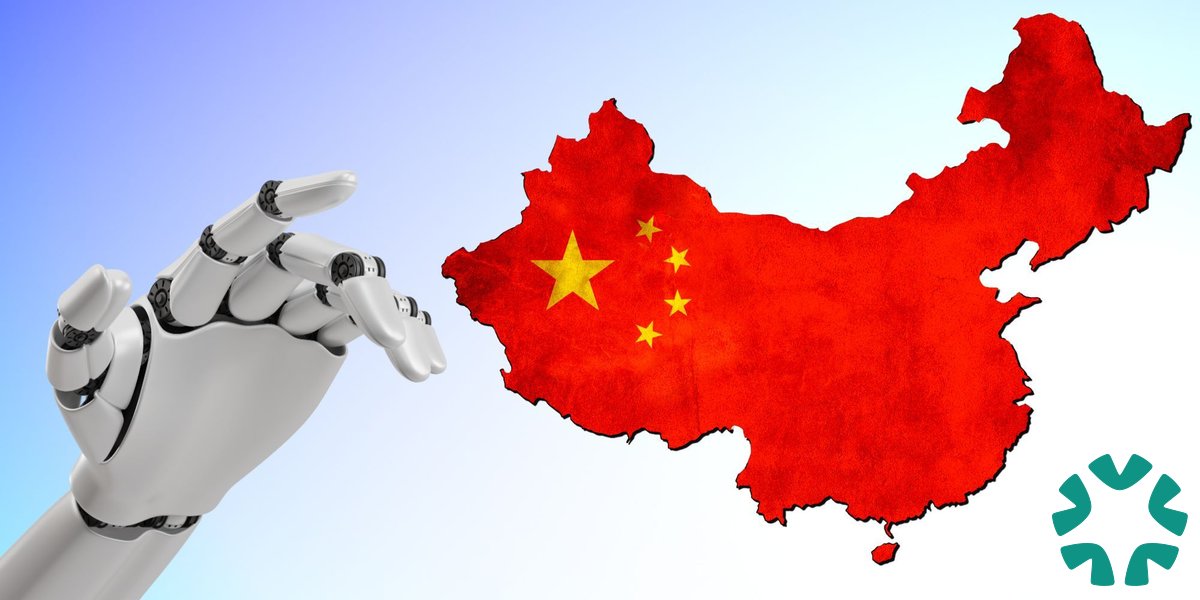

AI Model Pricing Wars: 2026 Trends and Competitive Landscape
30 SEC SUMMARY
In 2026, AI model pricing is becoming a significant battleground. Companies like OpenAI and Anthropic are slashing prices to compete with cheaper Chinese alternatives. This shift is reshaping the competitive landscape, emphasizing both cost and performance.
TABLE OF CONTENTS
KEY HIGHLIGHTS
- AI model pricing wars intensify in 2026.
- Companies like OpenAI and Anthropic cut prices to compete.
- Chinese AI firms offer cheaper, capable models.
- Cost per successful task is a better metric than token price alone.
- The competitive landscape is shifting towards balancing cost and performance.
Why AI Models Are Getting Cheaper
In 2026, enterprise AI spending is entering a more disciplined phase. Companies that once freely experimented with AI are now moving more workloads into production and closely tracking the cost of every request. At the same time, Chinese AI developers such as Moonshot AI and DeepSeek are offering increasingly capable models at lower prices. This is giving businesses more options when they evaluate models for coding, customer support, research, and other everyday workloads. The result is growing pressure on US AI companies to compete on price as well as performance.
OpenAI and Anthropic Rethink Pricing
According to reporting cited by Sri Lanka Guardian, OpenAI has cut the price of GPT-5.6 Luna by 80%, from $1 to $0.20 per million input tokens and from $6 to $1.20 per million output tokens. Anthropic has also introduced Claude Opus 5 at $5 per million input tokens and $25 per million output tokens. The company reportedly positioned it at half the price of its top-end Fable 5 model and cancelled a planned September price increase for Sonnet 5. These changes reflect a broader effort by AI companies to make advanced models more accessible to customers that are increasingly comparing providers on cost.
Chinese AI Adds Pressure
The pricing shift comes as Chinese AI companies gain more attention outside China. Lower-cost models are increasingly being evaluated alongside their US counterparts, particularly for workloads where businesses do not necessarily need the most powerful model available. The report notes that companies including DoorDash and Airbnb have tested Chinese-made models as part of efforts to control AI costs. Even when these models do not replace US systems completely, their presence gives enterprise buyers more negotiating power. For AI companies, that could make retaining customers increasingly dependent on both performance and economics.
What the Price War Means for AI
The latest cuts suggest that AI pricing is becoming an important part of the competitive race. US companies are facing pressure from cheaper Chinese alternatives while still trying to fund the enormous computing costs required to develop and operate advanced models. For customers, the trend could be positive. More competition could mean lower prices, more model choices, and greater flexibility in how businesses deploy AI. The bigger question is whether these lower prices can be sustained. As AI usage continues to grow, companies will have to balance cheaper access with the high infrastructure costs behind every model response. For now, the AI race is no longer just about building the smartest model. It is increasingly about delivering useful intelligence at a price businesses are willing to pay.
FAQ
What does the AI pricing war mean for businesses?
The AI pricing war means that businesses have more options and potentially lower costs when choosing AI models for their operations. However, they should consider cost per successful task rather than just token price.
How are Chinese AI companies influencing the pricing landscape?
Chinese AI companies like Moonshot AI and DeepSeek are offering capable models at lower prices, giving businesses more options and negotiating power.
Will the lower prices in AI models be sustainable?
The sustainability of lower prices depends on how AI companies manage the high infrastructure costs associated with advanced models.
Conclusion
In 2026, the AI model pricing war is reshaping the competitive landscape. Companies like OpenAI and Anthropic are cutting prices to compete with cheaper Chinese alternatives, emphasizing both cost and performance. For businesses, this trend could mean more choices and lower costs, but they must also consider the overall cost per successful task. The future of AI will depend on balancing affordability with the high infrastructure costs of advanced models.
Call-to-Action
For more insights on AI trends, visit blogy.in.
Sources
This story is an original summary and analysis written by LazyFounders from the reporting listed above. Facts are attributed to their original publishers; sections marked as analysis are LazyFounders's opinion. Where a source is in another language, facts were machine-translated and quotations are reported, not reproduced. Read the original coverage via the links.