
Artemis 2: NASA’s Orion Proves Ready for Deep Space
NASA’s Artemis 2 mission has successfully demonstrated the Orion spacecraft’s ability to support human life and withstand the harsh conditions of deep space, marking a critical milestone for the agency’s Artemis program. The mission, which carried four astronauts beyond low Earth orbit, set a record for the farthest crewed flight in history and validated key systems for future lunar exploration.
LazyFounders
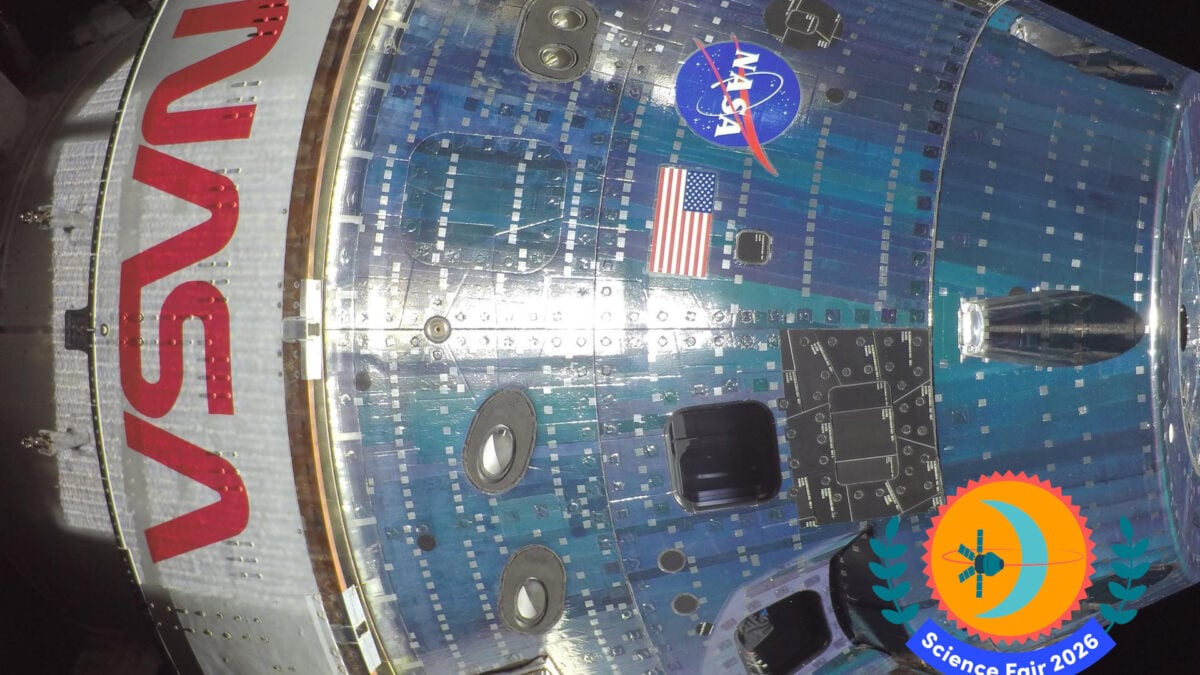

NASA’s Artemis 2 mission has successfully demonstrated the Orion spacecraft’s ability to support human life and withstand the harsh conditions of deep space, marking a critical milestone for the agency’s Artemis program. The mission, which carried four astronauts beyond low Earth orbit, set a record for the farthest crewed flight in history and validated key systems for future lunar exploration.
30 SEC SUMMARY
- NASA’s Artemis 2 mission successfully tested the Orion spacecraft’s life support systems and reentry capabilities, marking a critical step for human spaceflight beyond low Earth orbit.
- Artemis 2 was the first crewed mission to venture beyond low Earth orbit since the Apollo era, setting a record for the farthest crewed flight in history.
- The mission carried four astronauts and demonstrated Orion’s ability to withstand deep-space conditions, including a high-stakes reentry with a redesigned heat shield.
- NASA’s Artemis program aims to establish a permanent human presence on the Moon, with Artemis 3 slated to test commercial landers from SpaceX and Blue Origin.
- Successes and lessons from Artemis 2 are informing preparations for future lunar missions and long-term exploration goals.
TABLE OF CONTENTS
- Artemis 2 Delivers on Deep-Space Promise
- Reentry Redesign Addresses Heat Shield Challenges
- Next Steps for NASA’s Artemis Program
- Context for Space Exploration and Innovation
- What this means
- Key takeaways
- FAQ
- Sources
KEY HIGHLIGHTS
- Artemis 2 was the first crewed mission beyond low Earth orbit since the Apollo era, traveling 695,000 miles.
- Orion’s life support systems kept astronauts alive for 10 days with no safety net, demonstrating deep-space capability.
- NASA redesigned Orion’s reentry profile to mitigate heat shield damage, reducing char sites from over 100 to about nine.
- The mission carried four astronauts and tested critical systems, including manual proximity operations and contingency protocols.
- Artemis 2’s success is pivotal for NASA’s Artemis program, which aims to establish a permanent lunar presence by 2027.
Artemis 2 Delivers on Deep-Space Promise
According to Gizmodo, NASA’s Artemis 2 mission successfully demonstrated the Orion spacecraft’s ability to support human life and withstand the extreme conditions of deep space. The mission, which marked Orion’s first crewed test flight, included a high-stakes reentry phase that validated critical life support systems and reentry protocols.
The four-person crew—NASA astronauts Reid Wiseman, Victor Glover, Christina Koch, and Canadian Space Agency’s Jeremy Hansen—relied on Orion’s systems for 10 days with no backup plan. The spacecraft traveled 695,000 miles, far beyond low Earth orbit, setting a new record for crewed spaceflight.
Reentry Redesign Addresses Heat Shield Challenges
Gizmodo reports that Artemis 2’s reentry phase was a focal point for NASA engineers. During the uncrewed Artemis 1 mission, Orion’s heat shield sustained significant damage, including over 100 char loss sites, some over an inch deep. The issue was linked to the "skip" reentry profile, which subjected the shield to prolonged thermal stress.
For Artemis 2, NASA redesigned the reentry profile to reduce heat shield damage. The adjustments appear to have been effective: Artemis 2’s heat shield experienced only about nine char sites, a substantial improvement over Artemis 1. Judd Frieling, a NASA flight director, confirmed that Orion’s systems performed as expected, though minor anomalies—such as issues with the toilet system—were noted and addressed with contingency protocols.
Next Steps for NASA’s Artemis Program
According to Gizmodo, Artemis 2’s success is a critical milestone for NASA’s broader Artemis program, which aims to establish a permanent human presence on the Moon. The mission’s findings are informing preparations for Artemis 3, slated for 2027, which will test commercial Moon landers developed by SpaceX and Blue Origin. SpaceX’s Starship Human Landing System (HLS) and Blue Origin’s Blue Moon Mark 2 crew lander will play key roles in the next phase.
NASA’s long-term goal includes building a Moon base near the lunar south pole, a region also targeted by China for its own lunar ambitions. The agency’s focus on sustainability and deep-space technology positions it as a leader in the next era of human space exploration.
Context for Space Exploration and Innovation
NASA’s Artemis program is part of a broader resurgence in space exploration, driven by advancements in technology and commercial partnerships. Companies like SpaceX and Blue Origin are developing hardware to support lunar missions, while startups like AstroForge are exploring AI-driven spacecraft autonomy to reduce operational costs and improve mission success rates.
The intersection of aerospace and venture capital is also evolving. Software-focused VCs are increasingly investing in hard tech, though industry experts warn that deep sector expertise is critical for success. This trend reflects the growing complexity and opportunity in space and defense technology.
What this means
LazyFounders analysis — our interpretation, not reported fact.
Artemis 2’s success is more than a technical achievement—it’s a signal that NASA’s Artemis program is on track to deliver on its ambitious goals. For founders and operators in the space and aerospace sectors, this mission validates the viability of deep-space technology and reinforces the importance of iterative testing and redesign.
The improvements in Orion’s heat shield performance, for example, highlight how lessons from early missions can drive meaningful advancements. This iterative approach—identifying flaws, testing solutions, and refining designs—is a model that startups in high-stakes industries like aerospace, biotech, or hardware development would do well to emulate.
For investors, Artemis 2 underscores the potential of commercial partnerships in space exploration. NASA’s collaboration with SpaceX and Blue Origin on Artemis 3 demonstrates how public and private sector efforts can align to accelerate innovation. However, the challenges observed during Artemis 1 and addressed in Artemis 2 also serve as a reminder that hard tech requires patience, expertise, and a tolerance for risk—qualities that software-focused VCs may need to cultivate as they expand into these sectors.
Key takeaways
- Artemis 2 was a milestone for NASA’s Orion spacecraft, proving its ability to support human life and operate in deep space.
- The mission’s reentry phase was critical, with NASA redesigning the profile to address heat shield damage observed during Artemis 1.
- Four astronauts—three from NASA and one from the Canadian Space Agency—participated in the mission, which covered 695,000 miles.
- Artemis 2’s success sets the stage for Artemis 3, which will test commercial Moon landers from SpaceX and Blue Origin in 2027.
- NASA’s long-term goal is to establish a permanent lunar presence, including a Moon base near the lunar south pole.
FAQ
What was the primary goal of NASA’s Artemis 2 mission?
The primary goal of Artemis 2 was to test the Orion spacecraft’s life support systems, reentry capabilities, and overall performance in deep space during its first crewed flight. The mission aimed to validate whether Orion could safely support human life and withstand the extreme conditions of a lunar-class mission.
How did Artemis 2 address the heat shield issues observed during Artemis 1?
NASA redesigned the reentry profile for Artemis 2 to mitigate the heat shield damage observed during Artemis 1. The new profile reduced the number of char loss sites on Orion’s heat shield from over 100 to about nine, improving its performance during reentry.
What are the next steps for NASA’s Artemis program?
The next major mission is Artemis 3, slated for 2027, which will test commercial Moon landers developed by SpaceX and Blue Origin. NASA’s long-term goal is to establish a permanent human presence on the Moon, including a base near the lunar south pole.
Why is Artemis 2 considered a milestone for human spaceflight?
Artemis 2 was the first crewed mission to venture beyond low Earth orbit since the Apollo era, setting a record for the farthest crewed flight in history. Its success demonstrated Orion’s ability to support human life in deep space, a critical step toward sustainable lunar exploration.
Related on LazyFounders
Sources
- Gizmodo · 2026-09-23
Artemis 2 Set Out to Prove Orion Could Handle Deep Space. Here’s How It Delivered
This story is an original summary and analysis written by LazyFounders from the reporting listed above. Facts are attributed to their original publishers; sections marked as analysis are LazyFounders's opinion. Where a source is in another language, facts were machine-translated and quotations are reported, not reproduced. Read the original coverage via the links.