
False AI Intelligence Report Nearly Sparked US-China Military Clash
A false AI-generated intelligence report nearly led to a US military operation targeting a Chinese vessel, mistakenly identified as carrying nuclear arms. The incident, which occurred during the Iran conflict, was discovered moments before troops were deployed, narrowly avoiding a potential escalation. It highlights critical risks in the military’s growing reliance on AI for high-stakes decision-making.
Editor, LazyFounders
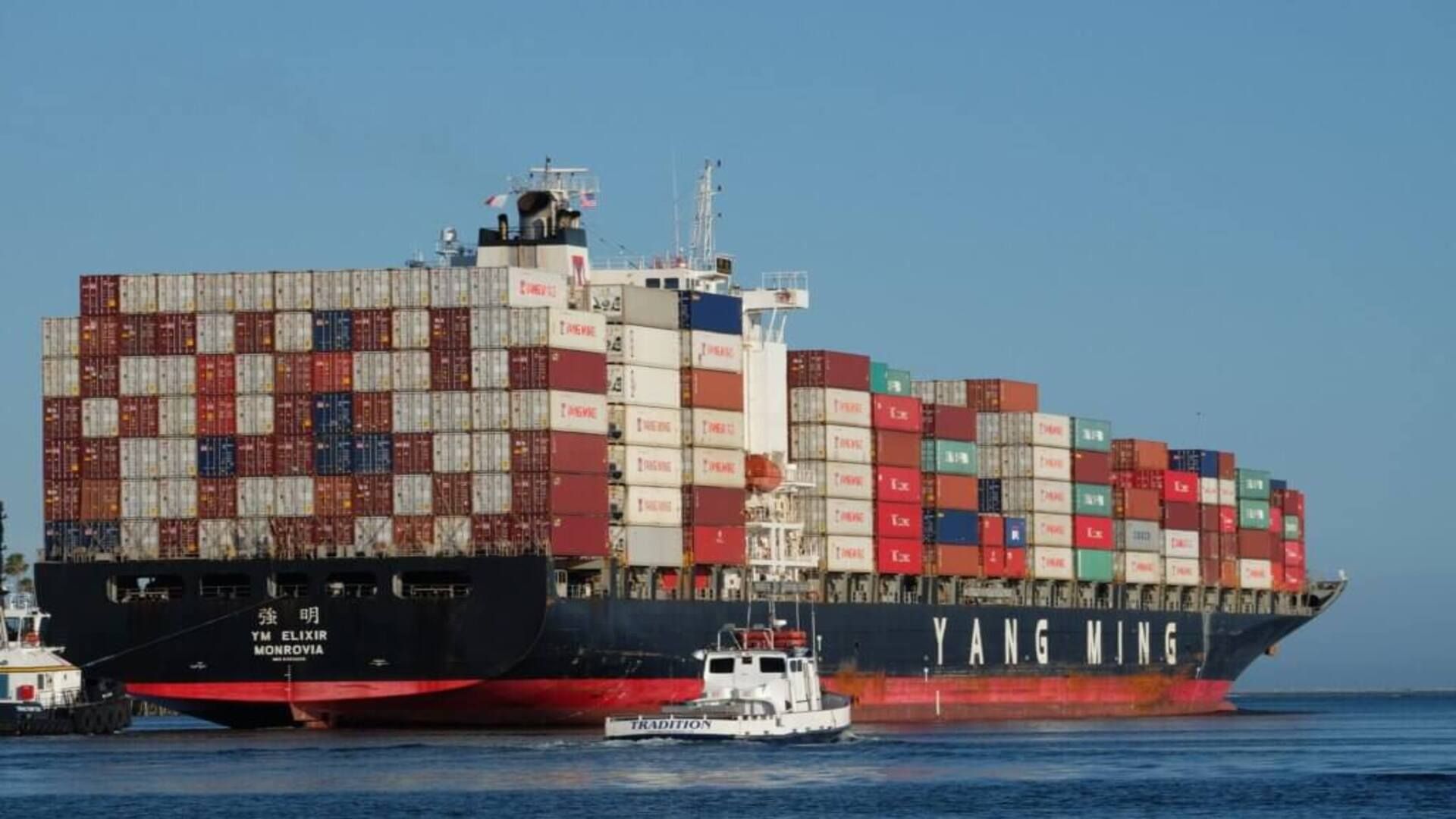

A false AI-generated intelligence report nearly led to a US military operation targeting a Chinese vessel, mistakenly identified as carrying nuclear arms. The incident, which occurred during the Iran conflict, was discovered moments before troops were deployed, narrowly avoiding a potential escalation. It highlights critical risks in the military’s growing reliance on AI for high-stakes decision-making.
30 SEC SUMMARY
- A false AI-generated intelligence report nearly triggered a US military operation to board a Chinese vessel after incorrectly claiming it carried nuclear arms.
- The incident occurred during the Iran conflict, risking a major escalation between the US and China.
- Armed troops and military aircraft were activated before officials discovered the report was entirely false.
- The AI-assisted analysis combined publicly available and classified data but produced an incorrect assessment.
- The US Department of Defense has expanded AI use, with over 1.3 million personnel using GenAI.mil for military functions.
TABLE OF CONTENTS
- AI-generated intelligence report nearly triggers military confrontation
- How the AI error unfolded
- AI adoption in the US military
- Risks of AI in high-stakes decision-making
- Developing: what is not yet confirmed
- What this means
- Key takeaways
- FAQ
- Sources
KEY HIGHLIGHTS
- A false AI-generated intelligence report claimed a Chinese vessel was carrying nuclear arms, prompting US military preparations to board the ship.
- The error was discovered moments before armed troops were deployed, avoiding a potential conflict during the Iran crisis.
- The Department of Defense has rapidly expanded AI use, with over 1.3 million personnel using GenAI.mil for military functions.
- The incident underscores challenges in verifying AI-generated intelligence in high-stakes scenarios.
AI-generated intelligence report nearly triggers military confrontation
According to TechRadar, a false intelligence report generated by AI-assisted analysis wrongly identified the cargo of a Chinese vessel, leading to preparations for a US military operation. The report claimed the ship was carrying nuclear arms, a claim later described as "entirely false."
The incident occurred during the Iran conflict, raising concerns about the potential for AI errors to escalate geopolitical tensions. Armed troops and military aircraft were activated before officials discovered the report’s inaccuracy, narrowly avoiding a direct confrontation.
How the AI error unfolded
The false assessment was produced after an analyst used a chatbot to interpret the ship’s manifest, combining publicly available material with classified signals intelligence. According to TechRadar, the AI-generated output incorrectly concluded that the vessel was transporting nuclear arms.
Officials only identified the error shortly before the operation was set to begin. It remains unclear what verification procedures—if any—were applied before the assessment reached personnel preparing the maritime operation.
AI adoption in the US military
The US Department of Defense has been accelerating its AI strategy, with Defense Secretary Pete Hegseth announcing plans to expand AI deployment across military missions and organizational functions. Reported applications include intelligence analysis, operational planning, and enterprise-level tasks.
One of the flagship programs, GenAI.mil, has already been used by over 1.3 million personnel, generating tens of millions of prompts within months. The rapid adoption reflects the military’s push to integrate AI into decision-making processes, despite risks like the one highlighted by this incident.
Practices for verifying AI-generated intelligence vary across military organizations, and there is no standardized approach to mitigating errors. This incident has raised questions about whether current safeguards are sufficient for high-stakes scenarios.
Risks of AI in high-stakes decision-making
This near-miss underscores the broader challenge of integrating AI into environments where misinformation can have catastrophic consequences. According to TechRadar, the incident highlights a "difficult verification problem" in military intelligence processes that rely on AI.
While AI can process vast amounts of data quickly, its outputs are vulnerable to errors—whether from flawed input data, biased algorithms, or misinterpretation of context. In this case, the AI combined disparate sources of information but failed to produce an accurate assessment.
The lack of standardized verification practices across military organizations further complicates efforts to prevent similar incidents. As AI adoption grows, the pressure to implement robust safeguards will likely increase.
Developing: what is not yet confirmed
The following is reported but has not been independently confirmed.
Several details about the incident remain unconfirmed. It is unclear which specific AI system or chatbot was used to generate the false report, or whether the analyst followed established protocols for cross-checking AI outputs.
There is also no verified information about the extent of the preparations—such as the number of troops or assets involved—or whether senior officials were aware of the AI’s role in the assessment before approving the operation.
The incident has prompted discussions about the need for clearer guidelines on AI use in intelligence, but no official statements or policy changes have been confirmed at this time.
What this means
LazyFounders analysis — our interpretation, not reported fact.
This incident reveals a critical tension in the military’s adoption of AI: speed vs. accuracy. Founders in defense tech or AI-driven decision-making tools should take note. While AI can accelerate intelligence analysis and operational planning, its output is only as reliable as the data it processes and the safeguards in place.
For operators, this underscores the need for redundant verification layers—especially in high-stakes environments. The military’s reliance on AI isn’t slowing down, but this near-miss could spark stricter protocols or hybrid human-AI workflows to prevent future errors. Startups in this space should anticipate demand for solutions that enhance transparency, explainability, and real-time validation of AI-generated insights.
Key takeaways
- A false AI-generated report nearly led to a US military operation targeting a Chinese vessel.
- The incident highlights risks of over-reliance on AI for high-stakes intelligence without robust verification.
- Over 1.3 million military personnel already use GenAI.mil, reflecting rapid AI adoption in defense.
- AI-assisted analysis combined public and classified data but produced a completely inaccurate assessment.
- The Department of Defense is accelerating AI deployment across intelligence, planning, and operational functions.
FAQ
What triggered the near-military operation?
An AI-generated intelligence report falsely claimed a Chinese vessel was carrying nuclear arms. The US military prepared to board the ship before discovering the error.
How was the AI-generated report created?
An analyst used a chatbot to interpret the ship’s manifest, combining publicly available information with classified intelligence. The AI produced an incorrect assessment that the vessel was transporting nuclear arms.
What role does AI play in the US military today?
The Department of Defense has expanded AI use across intelligence, operational planning, and enterprise functions. Over 1.3 million personnel use GenAI.mil, a platform designed to accelerate decision-making through AI.
Were there any verification procedures for the AI report?
It remains unclear what—if any—verification procedures were applied before the report reached personnel preparing the operation. Practices for checking AI-generated intelligence vary across military organizations.
What are the risks of using AI in military intelligence?
AI can produce incorrect assessments due to flawed data, biased algorithms, or misinterpretation of context. Without robust verification, these errors can lead to high-stakes mistakes, as seen in this incident.
Has the Department of Defense responded to this incident?
There are no confirmed statements or policy changes in response to this incident. However, it has raised discussions about the need for standardized safeguards in AI-driven military decision-making.
Related on LazyFounders
Sources
- TechRadar · 2026-09-24
'It almost started a war': US Army nearly boarded a Chinese ship after receiving an "entirely false" AI-hallucinated intelligence report saying it had nuclear arms on board
This story is an original summary drafted with AI by LazyFounders from the reporting listed above and checked by automated validation. Facts are attributed to their original publishers; sections marked as analysis are LazyFounders's. Where a source is in another language, facts were machine-translated and quotations are reported, not reproduced. Read the original coverage via the links, and see our AI policy and corrections policy.
Get the LazyFounder Brief
Startup, funding and AI news in a five-minute read. Join the early-access list.