
Flipkart's Full Food Delivery Launch in Bengaluru by August 2026
Discover Flipkart's upcoming full food delivery launch in Bengaluru by August 2026, aiming to challenge Swiggy and Zomato's duopoly with lower commissions and enhanced logistics.
LazyFounders
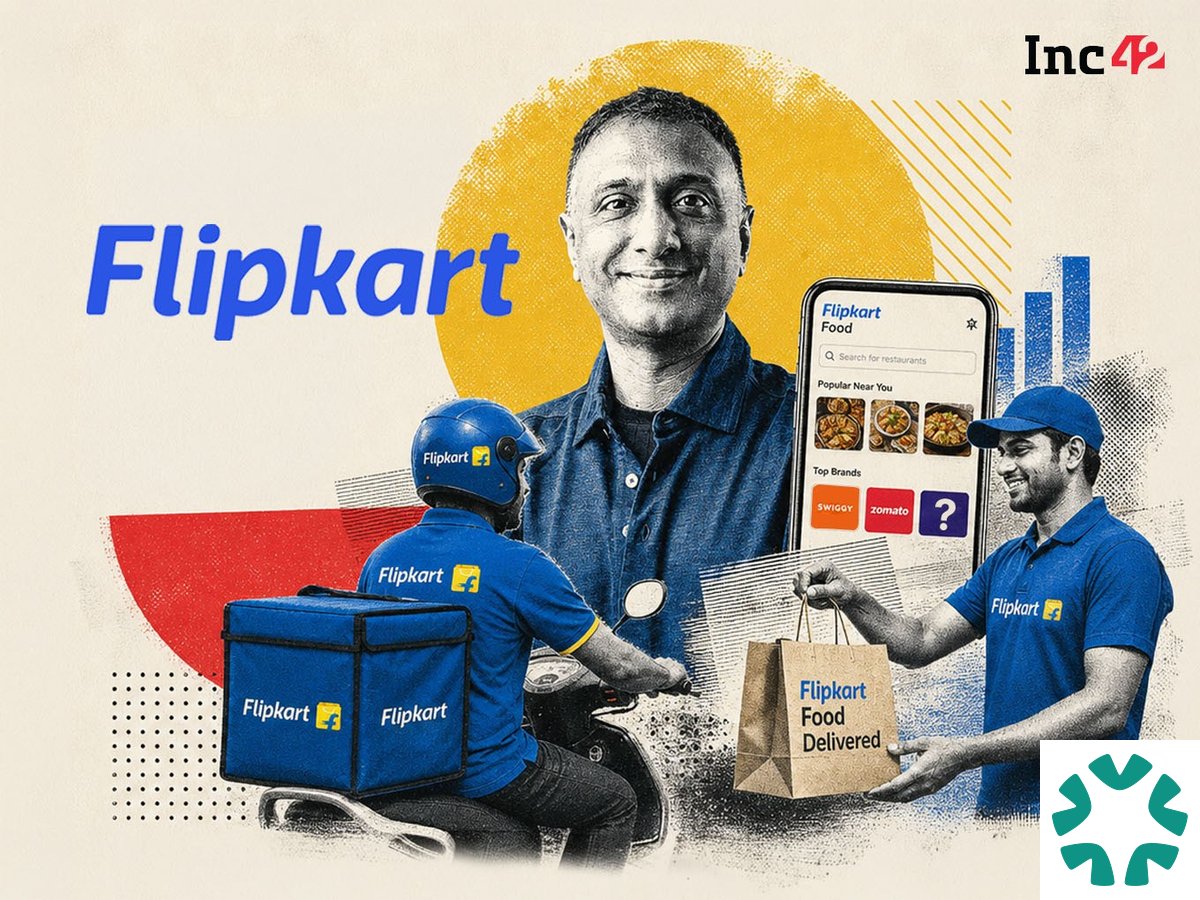

Flipkart's Full Food Delivery Launch in Bengaluru by August 2026
30 SEC SUMMARY
Flipkart, owned by Walmart, is gearing up for a full-scale food delivery launch in Bengaluru by August 2026, aiming to compete with the dominant Swiggy and Zomato duopoly through lower commissions and superior logistics.
TABLE OF CONTENTS
- Introduction
- Flipkart's Strategy
- Competitive Landscape
- Logistics and Infrastructure
- Market Challenges
- Conclusion
- Call-to-Action
KEY HIGHLIGHTS
- Flipkart plans to launch full food delivery services in Bengaluru by August 2026.
- The company aims to undercut Swiggy and Zomato with lower base commissions.
- Flipkart leverages its existing logistics network and SuperCoins loyalty program.
- The entry into food delivery follows a pattern seen with other tech giants like Amazon and Ola.
Introduction
Flipkart, the Walmart-owned e-commerce giant, is on the brink of launching its full-fledged food delivery service in Bengaluru by August 2026. This move is part of a broader strategy to penetrate the competitive food delivery market dominated by Swiggy and Zomato.
Flipkart's Strategy
Flipkart's strategy revolves around offering lower base commissions to restaurants, aiming to attract more partners. Unlike its competitors, Flipkart is also planning to cap marketing and advertisement spends for restaurant partners, addressing a key demand from the restaurant industry.
Lower Base Commissions: Flipkart is targeting a base commission in the 12-13% range, significantly lower than the 15-40% charged by Swiggy and Zomato. This move is expected to make the service more attractive to restaurants heavily reliant on these platforms for orders.
Capping Marketing Spend: By capping marketing and advertisement spends, Flipkart aims to provide more predictability on monthly platform bills for restaurants, reversing the 'pay-to-be-seen' dynamic prevalent in the industry.
SuperCoins Loyalty Program: Flipkart plans to integrate food delivery into its SuperCoins loyalty program, offering discounts and cashback funded through this mechanism rather than increasing marketing spends.
Competitive Landscape
Flipkart's entry into food delivery comes at a time when Swiggy and Zomato are facing increasing pressure from restaurants over high commissions and layered costs. Various industry bodies, including the Bengaluru Hotels Association and the National Restaurant Association of India (NRAI), have been engaged in a standoff with Swiggy and Zomato over practices like automatic opt-ins into advertising campaigns and lack of vernacular-language support.
Restaurant Demands: Restaurants are demanding the choice to opt out of ad campaigns, a hard cap on marketing spend, and dedicated regional-language support from the platforms. While some demands have been acknowledged, the core commission structure remains unchanged.
Flipkart's Leverage: Flipkart's roughly 500 million registered user base and its existing SuperCoins loyalty program provide a significant advantage. The company is also leveraging its quick commerce delivery fleet under Flipkart Minutes and its in-house logistics arm, Ekart, to streamline operations.
Logistics and Infrastructure
Flipkart is expected to use a combination of its quick commerce delivery fleet under Flipkart Minutes and Ekart for logistics, rather than building a dedicated food delivery rider network from scratch. The company is also tapping into the government-backed Open Network for Digital Commerce (ONDC) for restaurant onboarding.
Fleet and Logistics: Flipkart's existing infrastructure provides a cost-effective and efficient way to handle food deliveries, reducing the need for significant additional investment.
ONDC Integration: By integrating with ONDC, Flipkart aims to onboard restaurants more easily and expand its reach quickly.
Market Challenges
Despite Flipkart's strong position, entering the food delivery market poses several challenges. Previous attempts by Amazon, Ola, and Paytm to compete with Swiggy and Zomato have largely failed due to thin margins and the difficulty of competing with their established customer bases.
Discounting and Margins: Discounting is seen as the only lever to pull customer loyalty away from Swiggy and Zomato, given their entrenched position in the market. However, this strategy often leads to thin margins.
Market Penetration: While Flipkart has a large user base and a strong logistics network, it faces the challenge of penetrating a market where consumer behavior is heavily skewed towards large vertical players like Swiggy and Zomato.
Conclusion
Flipkart's entry into food delivery, leveraging its strong ecommerce and logistics infrastructure, could pose a significant threat to Swiggy and Zomato. However, the path to market dominance will be fraught with challenges, including intense competition and the need for substantial investment in logistics and marketing.
Call-to-Action
For more insights into Flipkart's strategy and the evolving food delivery market, visit blogy.in.
FAQ Section
What is Flipkart's strategy for food delivery?
Flipkart aims to undercut competitors with lower base commissions and by capping marketing and advertisement spends for restaurant partners.
How does Flipkart plan to leverage its existing infrastructure?
Flipkart will use its quick commerce delivery fleet and Ekart logistics arm to streamline food delivery operations.
What challenges does Flipkart face in the food delivery market?
Flipkart faces challenges such as intense competition, thin margins, and the need to penetrate a market dominated by Swiggy and Zomato.
Sources
- inc42.com · 2026-08-21
Why Is Flipkart Joining India’s Food Delivery Renaissance?
This story is an original summary and analysis written by LazyFounders from the reporting listed above. Facts are attributed to their original publishers; sections marked as analysis are LazyFounders's opinion. Where a source is in another language, facts were machine-translated and quotations are reported, not reproduced. Read the original coverage via the links.