
Flipkart's Microdrama Experiment: Entertainment Meets E-commerce in 2026
Discover how Flipkart's microdrama experiment in 2026 aims to blend entertainment with e-commerce, offering a low-cost content strategy.
LazyFounders
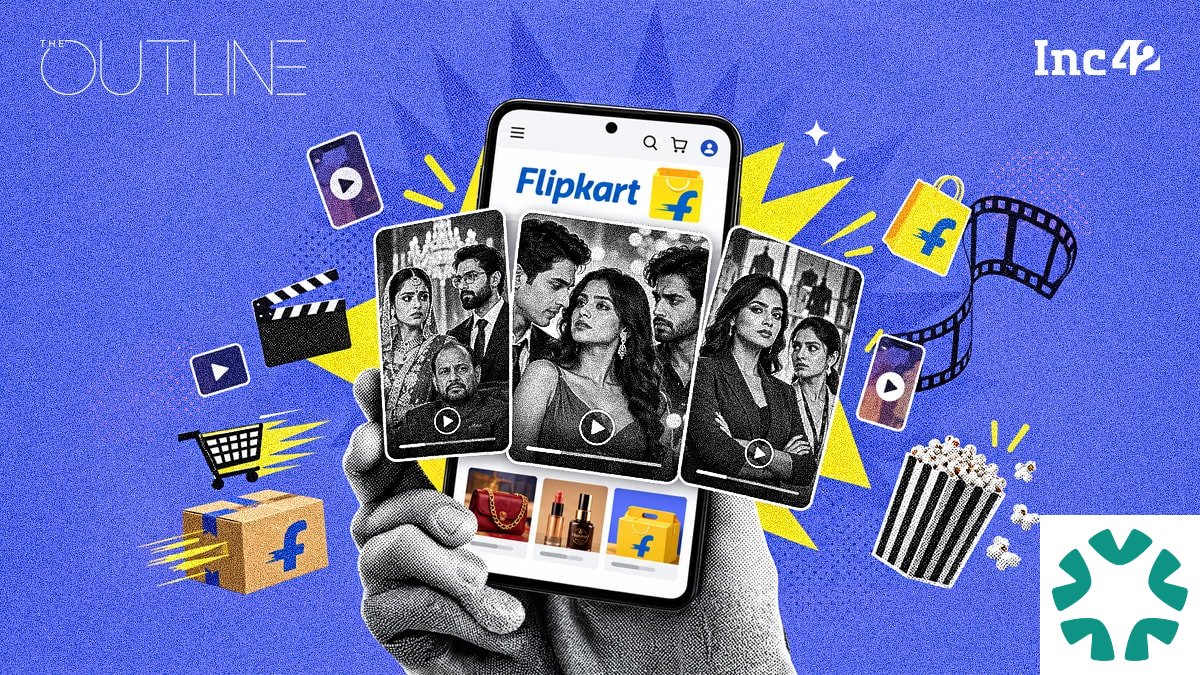

Flipkart's Microdrama Experiment: Entertainment Meets E-commerce in 2026
30 SEC SUMMARY
In 2026, Flipkart is exploring microdramas as a new content format to blend entertainment with e-commerce, aiming to create engaging branded content that drives commerce conversions.
TABLE OF CONTENTS
- Introduction
- The Microdrama Strategy
- Cost-Effective Content Production
- Content Supply and Strategy
- Flipkart’s Brand New Ad Engine
- Comparative Analysis with Amazon
- Monetization and Revenue Streams
- Challenges and Future Prospects
- Conclusion
KEY HIGHLIGHTS
- Flipkart's calculated move into microdramas to enhance user engagement.
- Low-cost production and licensing strategies for microdrama content.
- Potential for new advertising formats integrating commerce directly.
- Comparison with Amazon’s integrated entertainment and commerce model.
- Flipkart’s broader strategy to create a multi-faceted platform.
Introduction
In 2026, Flipkart is venturing into microdramas, a novel format in digital entertainment, to explore a new dimension of its commerce play. This move is not a trend-chasing endeavor but a calculated experiment based on a year-long evaluation.
The Microdrama Strategy
Microdramas offer a unique opportunity for Flipkart to integrate products seamlessly into storylines, providing a different advertising format compared to traditional influencer-led content. This approach allows brands to become part of the narrative, potentially increasing engagement and conversion rates.
Cost-Effective Content Production
Microdramas provide a low-cost alternative to building a full-fledged streaming service. Producing a microdrama series in India costs around ₹15 Lakh, including actor fees and production expenses. Licensing existing microdramas can cost between ₹2 Lakh to ₹5 Lakh per series for a year, offering an even cheaper route.
Content Supply and Strategy
While licensing can solve the initial content library problem, a long-term strategy would require Flipkart to build relationships with creators, studios, and production companies or develop its own production engine. This experiment allows Flipkart to test the waters at a low cost and scale only if the data supports the initiative.
Flipkart’s Brand New Ad Engine
The integration of microdramas into Flipkart’s advertising strategy could create a new bridge between brand marketing and commerce conversion. For instance, a fashion brand could have its products woven into a series, or a beauty company could build a storyline around a product category. This approach could generate more engagement and measurable commerce outcomes.
Comparative Analysis with Amazon
Amazon has successfully combined commerce with Prime Video, providing advertisers more ways to reach consumers. Flipkart’s microdrama foray could offer a similar opportunity, giving it a chance to experiment with content it owns or controls directly, designed with commerce in mind from the start.
Monetization and Revenue Streams
From a monetization perspective, microdramas could provide Flipkart with another piece of advertising inventory to sell to brands already spending on its platform. If microdramas can connect content exposure to actual shopping behavior, advertisers could see not just viewership but also subsequent clicks, searches, or purchases of featured products.
Challenges and Future Prospects
Flipkart’s microdrama experiment is part of a broader strategy to create a multi-faceted platform that gives users more reasons to stay and transact more frequently. However, managing multiple ventures like microdramas, food delivery, and ticketing poses challenges. The success of this strategy hinges on aligning all moving parts to create a cohesive ecosystem rather than a portfolio of businesses.
Conclusion
In 2026, Flipkart’s microdrama experiment represents a bold step towards integrating entertainment with e-commerce. If successful, it could open new avenues for engagement and revenue, transforming Flipkart into a comprehensive platform that leverages every user interaction for maximum value.
Call-to-Action
Discover more about Flipkart’s innovative strategies at blogy.in.
Inline Images
FAQ Section
What is a microdrama?
Microdramas are short, engaging story formats typically lasting around 90 seconds to a few minutes, designed to captivate audiences quickly.
How does Flipkart plan to integrate microdramas into its platform?
Flipkart aims to source content from platforms like Pinkvilla and license microdramas to create branded content that integrates seamlessly with its e-commerce offerings.
What are the potential benefits of this strategy for Flipkart?
The strategy could enhance user engagement, create new advertising formats, and potentially drive higher conversion rates by integrating commerce directly into the content.
Table
| Feature | Description |
|---|---|
| Cost | Microdrama production costs around ₹15 Lakh; licensing costs ₹2 Lakh to ₹5 Lakh per series. |
| Content Strategy | Flipkart may need to build relationships with creators or develop its own production engine. |
| Advertising Potential | Microdramas offer a new format for integrating products into storylines, enhancing engagement. |
Sources
- inc42.com · 2026-09-06
Flipkart’s Next Video Commerce Bet: Microdramas
This story is an original summary and analysis written by LazyFounders from the reporting listed above. Facts are attributed to their original publishers; sections marked as analysis are LazyFounders's opinion. Where a source is in another language, facts were machine-translated and quotations are reported, not reproduced. Read the original coverage via the links.