
India's First Private Spaceport: A New Era for Small Satellite Launches in 2026
Discover how India's first private spaceport at Kulasekarapattinam will revolutionize small satellite launches in 2026, marking a new era for private space operations.
LazyFounders

30 SEC SUMMARY
India is set to inaugurate its first private spaceport at Kulasekarapattinam, Tamil Nadu, in 2026. The Indian National Space Promotion and Authorisation Centre (IN-SPACe) is inviting eligible firms to operate the Small Satellite Launch Complex (SLC). This initiative marks a significant step in India's post-2020 space reforms, aiming to boost the small-satellite launch market and relieve the Satish Dhawan Space Centre.
TABLE OF CONTENTS
- Introduction
- The Kulasekarapattinam Spaceport
- Operational Model
- Eligibility Criteria
- Significance of the Move
- Expected Outcomes
- FAQ
- Conclusion
- Call-to-Action
KEY HIGHLIGHTS
- India's first private spaceport to be operational in 2026
- IN-SPACe invites eligible firms to operate the SLC
- Focus on small satellite launches and commercial slots
- Potential template for private-public space infrastructure partnerships
Introduction
In a groundbreaking move, India is preparing to hand over the keys of its first national spaceport to a private company. This initiative, spearheaded by the Indian National Space Promotion and Authorisation Centre (IN-SPACe), aims to revolutionize the country's small satellite launch operations.
The Kulasekarapattinam Spaceport
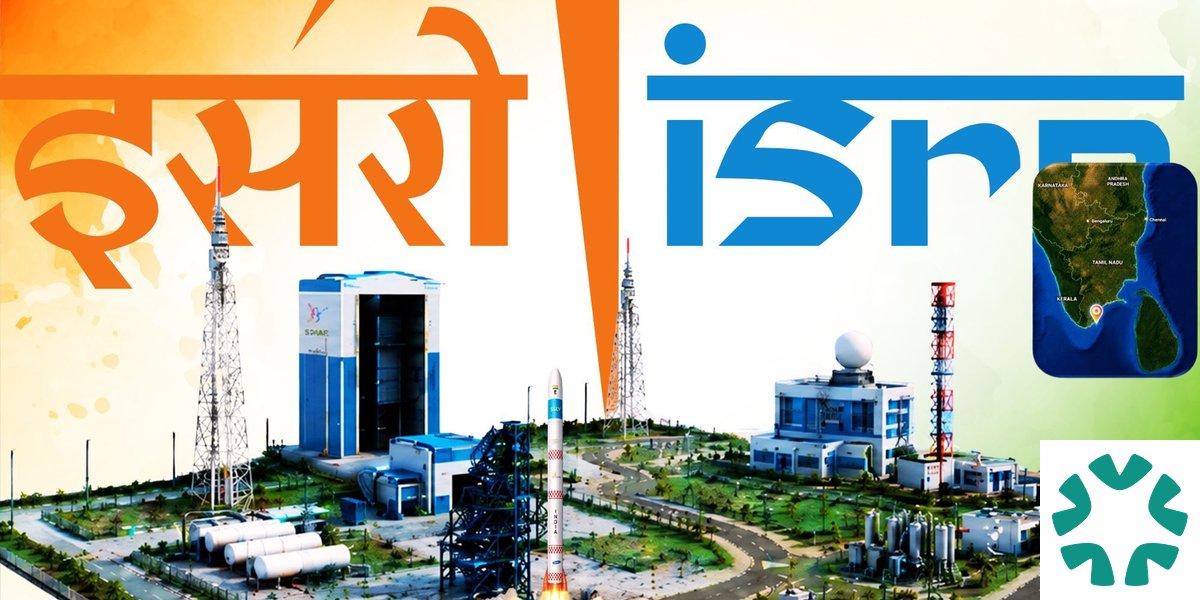
The Small Satellite Launch Complex (SLC) at Kulasekarapattinam, Tamil Nadu, is a state-of-the-art facility spanning approximately 2,233 acres along the coast. Developed by the Indian Space Research Organisation (ISRO) at an estimated cost of ₹986 crore, the spaceport is designed to cater to the Small Satellite Launch Vehicle (SSLV) and other small commercial launchers.
Operational Model
Under the new model, the spaceport itself will remain under public ownership by the Department of Space (DoS). However, the operations will transition to a private entity. The selected operator will manage the launch infrastructure, coordinate with ISRO and launch providers, and execute launch campaigns.
Eligibility Criteria
IN-SPACe has set stringent eligibility criteria to ensure that only established players can bid for the opportunity. Companies must have been operational for at least seven years, with a net worth of ₹1,000 crore or more and an annual turnover of ₹2,000 crore or more in at least three of the last five years. Additionally, applicants must demonstrate experience in managing large-scale, multidisciplinary infrastructure projects.
Significance of the Move
This move is part of India's broader space reforms, which have progressively opened satellite manufacturing, ground stations, and now launch operations to private capital. By introducing a shared, privately run spaceport, India aims to achieve faster turnarounds, dedicated commercial slots, and relief for the crowded Satish Dhawan Space Centre at Sriharikota.
Expected Outcomes
If successful, the Kulasekarapattinam spaceport could set a precedent for how national space agencies and private industry can share critical infrastructure. This initiative could also help India secure a larger share of the fast-growing global small-satellite launch market.
FAQ
What is the expected timeline for the spaceport's operational readiness?
The SLC is targeted for operational readiness in the 2026-27 window.
Who are the potential contenders for operating the spaceport?
Hyderabad-based Skyroot Aerospace, operational since 2018, is considered a strong contender.
What benefits does this initiative offer to India's space sector?
The initiative promises faster turnarounds, dedicated commercial slots, and relief for the Satish Dhawan Space Centre.
Conclusion
The introduction of India's first private spaceport at Kulasekarapattinam represents a significant leap forward in the country's space sector. By leveraging private expertise and infrastructure, India aims to enhance its capabilities in small satellite launches and secure a larger share of the global market.
Call-to-Action
For more information on India's space reforms and upcoming opportunities, visit blogy.in.
Sources
This story is an original summary and analysis written by LazyFounders from the reporting listed above. Facts are attributed to their original publishers; sections marked as analysis are LazyFounders's opinion. Where a source is in another language, facts were machine-translated and quotations are reported, not reproduced. Read the original coverage via the links.