
NYU Langone’s Xenotransplantation Breakthrough Wins 2026 Gizmodo Science Fair
Researchers at NYU Langone Transplant Institute have won the 2026 Gizmodo Science Fair for their groundbreaking work in xenotransplantation—the transplantation of genetically modified pig organs into humans. The team is leading the world’s first clinical trial, EXPAND, which could redefine organ transplantation amid a critical shortage of human organs.
Editor, LazyFounders
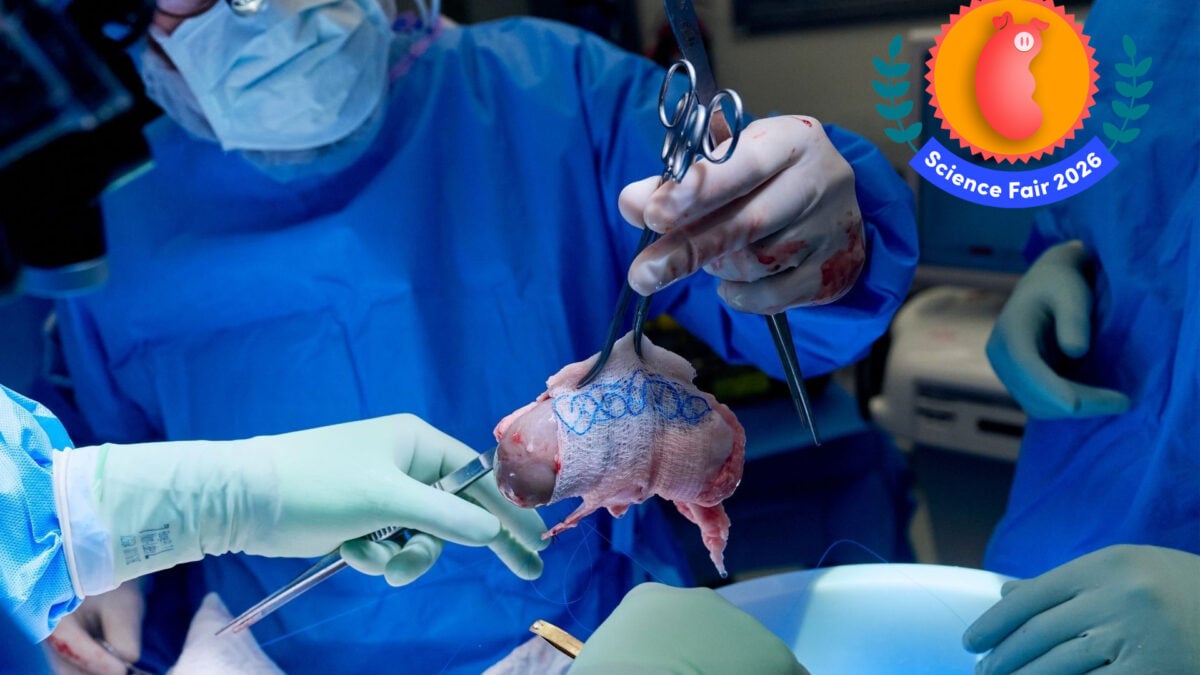

Researchers at NYU Langone Transplant Institute have won the 2026 Gizmodo Science Fair for their groundbreaking work in xenotransplantation—the transplantation of genetically modified pig organs into humans. The team is leading the world’s first clinical trial, EXPAND, which could redefine organ transplantation amid a critical shortage of human organs.
30 SEC SUMMARY
- NYU Langone Transplant Institute wins the 2026 Gizmodo Science Fair for xenotransplantation advances.
- Researchers conducted the first genetically modified pig kidney transplant into a human in 2021, functioning for 52 hours without rejection.
- The EXPAND trial, sponsored by United Therapeutics, is the world’s first clinical trial for xenotransplantation in end-stage kidney disease patients.
- Over 100,000 Americans are on the organ waiting list, with 12 deaths daily due to shortages.
- Gene-edited pigs with 10 modifications are being used to improve compatibility in human transplants.
TABLE OF CONTENTS
- NYU Langone Wins 2026 Gizmodo Science Fair for Xenotransplantation
- First Genetically Modified Pig Kidney Transplant in Humans
- The EXPAND Trial: A Global First
- Addressing the Organ Shortage Crisis
- Challenges and Future Outlook
- What this means
- Key takeaways
- FAQ
- Sources
KEY HIGHLIGHTS
- NYU Langone Transplant Institute wins the 2026 Gizmodo Science Fair for xenotransplantation research.
- The first genetically modified pig kidney transplant into a human functioned for 52 hours without rejection in 2021.
- The EXPAND trial, sponsored by United Therapeutics, is the world’s first clinical trial for xenotransplantation in end-stage kidney disease patients.
- Over 100,000 Americans are on the organ waiting list, with 12 deaths daily due to organ shortages.
- Gene-edited pigs with 10 modifications are being used to improve compatibility in human transplants.
- The FDA may approve xenotransplantation kidneys for wider use within five years.
NYU Langone Wins 2026 Gizmodo Science Fair for Xenotransplantation
According to Gizmodo, researchers at the NYU Langone Transplant Institute have been awarded the 2026 Gizmodo Science Fair for their pioneering work in xenotransplantation—the transplantation of genetically modified animal organs into humans. This recognition highlights the institute’s role in advancing a potential solution to the global organ shortage crisis.
First Genetically Modified Pig Kidney Transplant in Humans
In September 2021, the NYU Langone team, led by Robert Montgomery, performed the first transplantation of a genetically modified pig kidney into a human body. According to Gizmodo, the organ functioned for 52 hours without immediate signs of rejection, marking a critical early success in the field.
Since then, the team has conducted six xenotransplantation studies, including two involving pig hearts. These experiments have been performed on a compassionate-use basis in living humans, pushing the boundaries of what’s possible in organ transplantation.
The EXPAND Trial: A Global First
The NYU Langone Transplant Institute is leading the EXPAND study, the world’s first clinical trial for xenotransplantation in patients with end-stage kidney disease. Sponsored by United Therapeutics Corporation, the trial aims to validate the safety and efficacy of genetically modified pig kidneys in humans.
The first phase of the trial involves six patients who are ineligible for conventional kidney transplants. Ten centers across the U.S. are expected to participate, expanding the reach and impact of the research.
Addressing the Organ Shortage Crisis
The organ shortage in the U.S. remains a critical issue. According to Gizmodo, over 100,000 Americans are currently on the organ waiting list, with a new person added every seven minutes. Only 49,000 transplants are performed annually, and an estimated 12 people die each day waiting for an organ.
Xenotransplantation could offer a lifeline to patients who might otherwise face years on the waiting list or no options at all. The genetically modified pigs used in the EXPAND trial have undergone 10 gene edits—four knockouts to remove pig-specific markers and six additions to improve human compatibility.
Challenges and Future Outlook
While xenotransplantation has shown promise, challenges remain. The current survival record for a gene-edited pig kidney in a human is 271 days, far below the decades-long functionality of human-donated kidneys. Early failures, such as a pig heart transplant that likely failed due to a hidden virus, highlight the risks and complexities of the procedure.
However, the potential for FDA approval within five years could accelerate the adoption of xenotransplantation. If successful, this technology could transform the landscape of organ transplantation, offering hope to thousands of patients in need.
What this means
LazyFounders analysis — our interpretation, not reported fact.
Xenotransplantation is no longer a theoretical solution—it’s a clinical reality with tangible progress. For founders and operators in biotech, healthcare, and adjacent industries, this milestone signals a few critical takeaways:
First, the organ shortage crisis is reaching a tipping point where unconventional solutions are not just viable but necessary. The fact that gene-edited pig organs are already in human trials underscores the urgency and the opportunity for innovation in this space. Startups working on organ preservation, transplantation logistics, or even AI-driven matching systems could find new avenues for collaboration or investment.
Second, the regulatory path for xenotransplantation is becoming clearer. The FDA’s potential approval within five years suggests that companies in this space should prepare for scalable manufacturing, ethical frameworks, and patient education—all of which will be critical for adoption. Founders should watch how these trials evolve, as success here could pave the way for other animal-to-human therapies, from hearts to livers.
Finally, the competitive landscape is heating up. With multiple centers participating in the EXPAND trial and companies like eGenesis in the race, the pressure to refine gene-editing techniques, reduce rejection risks, and improve long-term outcomes will only intensify. For startups, this means a race against time to differentiate—whether through technology, cost efficiency, or patient outcomes.
The biggest challenge remains longevity. While a 271-day survival record is a step forward, it’s still far from the decades-long functionality of human organs. For founders, this gap represents both a risk and an opportunity: the risk of premature commercialization, and the opportunity to solve one of the most complex biological puzzles of our time.
Key takeaways
- NYU Langone’s xenotransplantation research has achieved global recognition, winning the 2026 Gizmodo Science Fair.
- The EXPAND trial is the first clinical trial for genetically modified pig kidney transplants in end-stage kidney disease patients.
- Gene-edited pigs with 10 modifications are being used to reduce immune rejection and improve compatibility.
- Over 100,000 Americans are on the organ waiting list, with 12 deaths daily due to shortages, highlighting the urgency of alternative solutions.
- The FDA may approve xenotransplantation kidneys for wider use within five years, depending on trial outcomes.
- Long-term survival of pig kidneys in humans remains a challenge, with the current record at 271 days.
FAQ
What is xenotransplantation?
Xenotransplantation is the process of transplanting organs or tissues from one species to another, in this case, from genetically modified pigs to humans. The goal is to address the critical shortage of human organs for transplantation.
Why are pigs being used for xenotransplantation?
Pigs are used because their organs are similar in size and function to human organs. Genetic modifications are made to reduce the risk of rejection and improve compatibility with the human immune system.
What is the EXPAND trial?
The EXPAND trial is the world’s first clinical trial for xenotransplantation in patients with end-stage kidney disease. Sponsored by United Therapeutics Corporation, it aims to test the safety and efficacy of genetically modified pig kidneys in humans.
How long have pig kidneys survived in human trials so far?
As of the latest reports, the longest survival of a gene-edited pig kidney in a human is 271 days. This is still far below the decades-long functionality of human-donated kidneys.
When could xenotransplantation become widely available?
According to Gizmodo, the FDA could approve xenotransplantation kidneys for wider use within the next five years, depending on the results of ongoing clinical trials.
Related on LazyFounders
Sources
- Gizmodo · 2026-09-24
These Scientists Are Charting a New Future for Organ Transplantation—and It Starts With Pigs
This story is an original summary drafted with AI by LazyFounders from the reporting listed above and checked by automated validation. Facts are attributed to their original publishers; sections marked as analysis are LazyFounders's. Where a source is in another language, facts were machine-translated and quotations are reported, not reproduced. Read the original coverage via the links, and see our AI policy and corrections policy.
Get the LazyFounder Brief
Startup, funding and AI news in a five-minute read. Join the early-access list.