
OpenAI's Jalapeño Chip: A Game-Changer in AI Inference Performance for 2026
Discover how OpenAI's Jalapeño chip outperforms leading systems in AI inference for 2026. Learn about its speed, efficiency, and potential impact on the AI hardware market.
LazyFounders
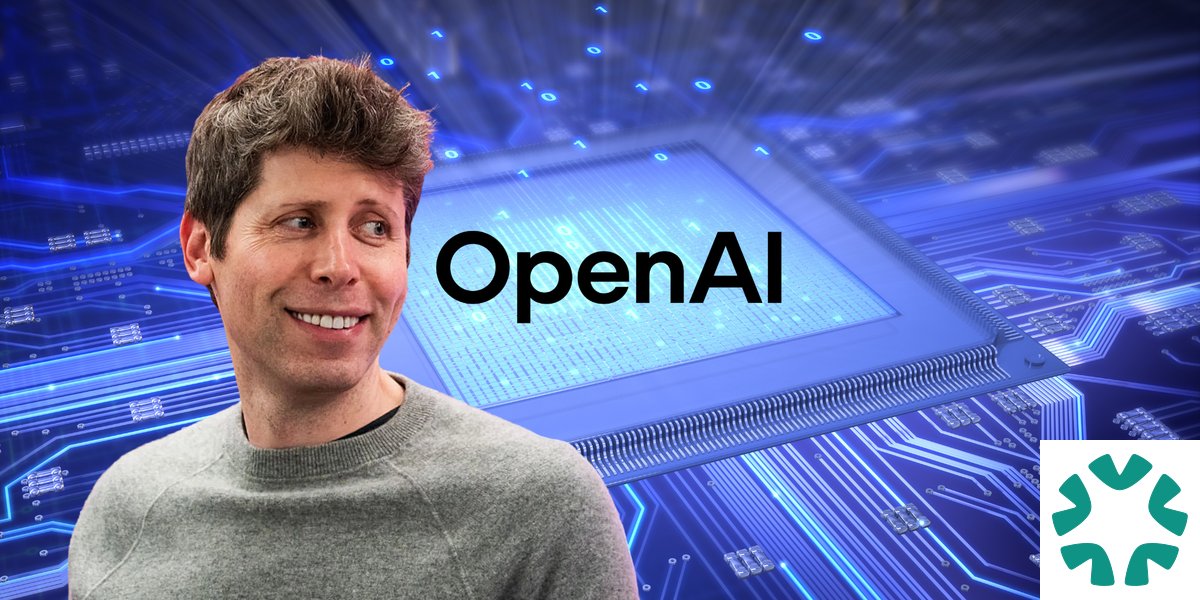

OpenAI's Jalapeño Chip: A Game-Changer in AI Inference Performance for 2026
30 SEC SUMMARY
- Discover how OpenAI's Jalapeño chip outperforms leading systems in AI inference for 2026.
- Learn about its speed, efficiency, and potential impact on the AI hardware market.
TABLE OF CONTENTS
- Introduction
- What is Jalapeño?
- Performance Results
- Comparing Jalapeño and Nvidia
- OpenAI's Strategy
- Future Outlook
- FAQ
- Conclusion
- Call-to-Action
KEY HIGHLIGHTS
- Jalapeño outperforms leading systems in AI inference speed and efficiency.
- It delivers 1.5 to 1.9 times more AI work per watt of power.
- Jalapeño could give OpenAI more control over performance and costs.
- The future may see coexistence between Jalapeño and Nvidia's broader ecosystem.
Introduction
In 2026, the AI hardware world is buzzing with the first performance results from OpenAI's custom AI inference chip, Jalapeño. This groundbreaking chip has set new benchmarks in AI inference, sparking discussions about its potential to challenge industry leader, Nvidia.
What is Jalapeño?
Jalapeño is not just another chip; it's a specialized tool designed for AI inference, the stage where AI models answer questions, write code, search data, or take actions as agents. Unlike training, which involves model learning, inference is where models are repeatedly used, often by millions of people. This makes inference a high-cost and performance problem for companies like OpenAI.
Performance Results
OpenAI's Jalapeño has shown impressive results in its tests. Here are some key comparisons:
| Model | Jalapeño Time (seconds) | Nvidia Time (seconds) | Power Usage (W) |
|---|---|---|---|
| GPT OSS 120B | 1.03 | 1.80 | 550 |
| DeepSeek R1 | 1.65 | 5.99 | 550 |
| Kimi K2.5 | 1.56 | 5.31 | 550 |
Comparing Jalapeño and Nvidia
While Jalapeño outperforms Nvidia in specific inference workloads, the reality is more nuanced. Jalapeño may excel in specific tasks, but Nvidia still holds a significant advantage in the broader AI hardware ecosystem.
OpenAI's Strategy
OpenAI's strategy with Jalapeño is intriguing. The company aims to gain more control over performance and costs as its AI workloads grow. By designing its models, software, and chips together, OpenAI could potentially optimize its entire AI infrastructure.
Future Outlook
The future of AI hardware may see a coexistence between Jalapeño and Nvidia's broader ecosystem. While Jalapeño could offer a more efficient way to run specific inference tasks, Nvidia's extensive ecosystem and software support remain crucial for many applications.
FAQ
What is the main advantage of Jalapeño over other chips?
Jalapeño offers superior speed and efficiency in AI inference tasks, delivering up to 90% more work without using more electricity.
How does Jalapeño compare to Nvidia in terms of ecosystem?
While Jalapeño excels in specific inference tasks, Nvidia's extensive hardware and software ecosystem remains a significant advantage for broader AI applications.
What does the future hold for Jalapeño and Nvidia?
The future may see a coexistence where Jalapeño runs specific inference tasks efficiently, while Nvidia continues to support a wide range of AI applications.
Conclusion
OpenAI's Jalapeño chip represents a significant step forward in AI inference performance for 2026. While it may not replace Nvidia across the board, its efficiency and speed could offer new opportunities for specialized tasks.
Call-to-Action
For more insights into the future of AI hardware, visit blogy.in.
Sources
- yourstory.com
Can Sam Altman’s Jalapeño chip beat Nvidia?
This story is an original summary and analysis written by LazyFounders from the reporting listed above. Facts are attributed to their original publishers; sections marked as analysis are LazyFounders's opinion. Where a source is in another language, facts were machine-translated and quotations are reported, not reproduced. Read the original coverage via the links.