
SpaceX and Nvidia's AI Satellite Launch: A 2027 Milestone
Discover SpaceX and Nvidia's plan to launch AI computing hardware into orbit in Q4 2027. Learn about the space-optimized Vera Rubin NVL72 system and its potential impact.
LazyFounders
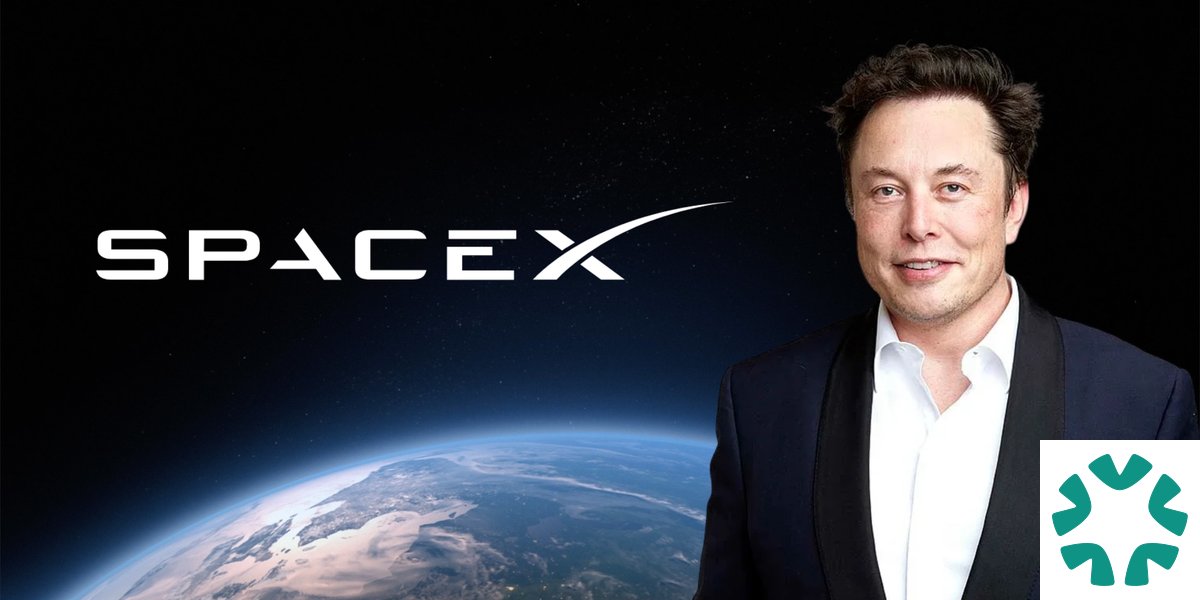

SpaceX and Nvidia's AI Satellite Launch: A 2027 Milestone
30 SEC SUMMARY
Elon Musk announced that SpaceX and Nvidia are collaborating to launch AI computing hardware into orbit in Q4 2027. The project involves a space-optimized version of Nvidia’s Vera Rubin NVL72 system for a first-generation Starmind AI satellite, aiming to process data closer to its source and reduce bandwidth usage.
TABLE OF CONTENTS
- Introduction
- What SpaceX and Nvidia Are Building
- Why AI Computing in Orbit Matters
- The Link to Grok and What Comes Next
- Challenges and Future Prospects
- FAQ
- Conclusion
- Call-to-Action
KEY HIGHLIGHTS
- SpaceX and Nvidia plan to launch AI computing hardware into orbit in Q4 2027.
- The project involves a space-optimized version of Nvidia’s Vera Rubin NVL72 system.
- The satellite aims to process data closer to its source, reducing bandwidth and improving decision-making.
Introduction
In a groundbreaking collaboration, SpaceX and Nvidia are developing a plan to send powerful AI computing hardware into orbit. This initiative, spearheaded by Elon Musk, aims to place a space-optimized version of Nvidia’s Vera Rubin NVL72 system on a first-generation Starmind AI satellite. This move could revolutionize how we process and analyze data from space.
What SpaceX and Nvidia Are Building
According to Nvidia’s announcement, SpaceXAI is expanding the infrastructure behind Grok, Elon Musk’s AI chatbot, using the Vera Rubin platform. The technology is also being adapted for space through the planned Starmind AI satellite. The Vera Rubin NVL72 is a rack-scale AI computing system that combines processors, graphics chips, memory, and networking for demanding AI workloads.
For space, the system needs to be lighter, denser, and more efficient than a conventional data centre rack. Elon Musk has emphasized that the design is intended to be simpler, lower-cost, and lighter than conventional systems. This is crucial because every kilogram launched into orbit adds complexity and expense. The hardware must also deal with radiation, limited power, heat management, and the need for high reliability.
Why AI Computing in Orbit Matters
Orbital AI systems could process data closer to where it is generated, including from satellites, Earth observation tools, and space-based communication networks. For instance, a satellite with onboard AI could analyze images, signals, or sensor data before sending only the most important results back to Earth. This could save bandwidth and support faster decision-making in areas such as climate monitoring, disaster response, navigation, and communications.
Nvidia has also linked the project to agentic AI, which refers to systems that can carry out tasks, use tools, process code, analyze data, and support simulations. Such systems require significant computing power, increasing the demand for more efficient AI infrastructure.
The Link to Grok and What Comes Next
SpaceXAI’s planned use of Nvidia’s Vera CPUs is expected to support the next generation of AI applications behind Grok. Nvidia says these systems need strong CPU performance and high memory bandwidth so AI agents can manage orchestration, code execution, and data processing while graphics chips focus on core AI workloads.
The first launch is planned for Q4 2027, with Musk suggesting significant scaling could follow in 2028. However, the project remains technically challenging. Space-based AI computing will need to operate reliably within power and cooling limits while justifying the cost of launching advanced hardware into orbit.
If successful, the Starmind AI satellite could become an early step towards a new layer of computing infrastructure in space. It would not replace Earth-based data centres soon, but could eventually see AI workloads shared between the ground and orbit.
Challenges and Future Prospects
The primary challenge lies in making space-based AI computing reliable and cost-effective. Advanced hardware must operate under extreme conditions, including radiation exposure, limited power, and thermal management. SpaceX and Nvidia must also ensure that the satellite can justify the high costs associated with launching it into orbit.
Despite these challenges, the potential benefits are significant. Orbital AI systems could revolutionize data processing, offering faster and more efficient solutions for various applications. If successful, this project could pave the way for a new era of space-based computing infrastructure.
FAQ
What is the Vera Rubin NVL72 system?
The Vera Rubin NVL72 is a rack-scale AI computing system that combines processors, graphics chips, memory, and networking for demanding AI workloads.
Why is space-based AI computing important?
Space-based AI computing can process data closer to its source, reducing bandwidth and improving decision-making in areas such as climate monitoring and disaster response.
When is the first launch planned?
The first launch is planned for Q4 2027.
Conclusion
SpaceX and Nvidia's ambitious project to launch AI computing hardware into orbit in 2027 holds the promise of revolutionizing data processing and analysis. While the challenges are significant, the potential benefits could transform how we utilize space-based computing infrastructure.
Call-to-Action
Stay updated on the latest in space technology and AI by visiting blogy.in.
Sources
This story is an original summary and analysis written by LazyFounders from the reporting listed above. Facts are attributed to their original publishers; sections marked as analysis are LazyFounders's opinion. Where a source is in another language, facts were machine-translated and quotations are reported, not reproduced. Read the original coverage via the links.