
UK Announces AI Defence Partnership with US and Plans to Combat Disinformation
British Prime Minister Andy Burnham has announced a new AI defence partnership with the United States, aimed at protecting critical national infrastructure from cyber threats. In his speech to the UN General Assembly, Burnham also revealed plans to establish a National Centre for Information Defence to combat disinformation, with Russia identified as a major threat. The UK is positioning itself to lead global AI governance during its G20 presidency, despite opposition from the US.
LazyFounders
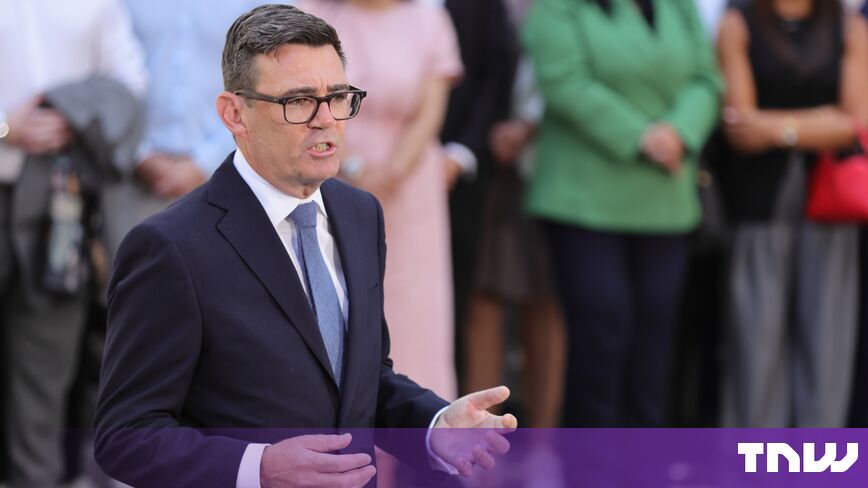

British Prime Minister Andy Burnham has announced a new AI defence partnership with the United States, aimed at protecting critical national infrastructure from cyber threats. In his speech to the UN General Assembly, Burnham also revealed plans to establish a National Centre for Information Defence to combat disinformation, with Russia identified as a major threat. The UK is positioning itself to lead global AI governance during its G20 presidency, despite opposition from the US.
30 SEC SUMMARY
- The UK is developing an AI defence partnership with the US to protect critical national infrastructure.
- A National Centre for Information Defence will be established to combat disinformation, with Russia cited as a key threat.
- The UK aims to lead global AI governance during its G20 presidency, proposing unified global standards.
- Russia spends £1.3bn annually on information manipulation, including forging branding of British organisations.
- Donald Trump opposed global AI governance schemes in his UN General Assembly address.
TABLE OF CONTENTS
- UK Announces AI Defence Partnership with US
- Election Interference and Cyber Threats
- Global AI Governance and Opposition
- AI’s Dual Role: Opportunity and Risk
- What this means
- Key takeaways
- FAQ
- Sources
KEY HIGHLIGHTS
- UK Prime Minister Andy Burnham announced an AI defence partnership with the US to protect critical national infrastructure.
- A National Centre for Information Defence will be created to combat hostile state disinformation, with Russia named as a primary threat.
- Russia spends £1.3bn annually on information manipulation, including forging the branding of 28 British organisations.
- The UK aims to lead global AI governance during its G20 presidency, proposing unified principles and standards.
- Donald Trump opposed global AI governance schemes during his address to the UN General Assembly.
UK Announces AI Defence Partnership with US
According to The Next Web, British Prime Minister Andy Burnham announced in his speech to the UN General Assembly that the UK is developing an AI defence partnership with the United States. The initiative aims to protect critical national infrastructure from cyber threats and AI-driven attacks.
Burnham also revealed plans to establish a National Centre for Information Defence, designed to counter disinformation campaigns by hostile states. Russia was explicitly named as a key threat in this context.
The Prime Minister highlighted that Russia spends approximately £1.3bn annually on information manipulation. This includes forging the branding of 28 British organisations, such as universities and the BBC, to sow discord and mislead the public.
Election Interference and Cyber Threats
The UK government has evidence of Russian interference in the 2019 general election, according to Burnham’s speech. This adds to growing concerns about foreign influence in democratic processes, both in the UK and abroad.
The UK has already taken steps to help other countries counter similar threats. For example, it supported Moldova in protecting its elections from Russian disinformation campaigns. These efforts are part of a broader strategy to strengthen cybersecurity and democratic resilience across Europe.
Global AI Governance and Opposition
Burnham outlined the UK’s ambition to lead global AI governance during its upcoming G20 presidency. The goal is to establish a unified set of principles and standards for AI, ensuring its safe and ethical development worldwide.
This push for international cooperation contrasts with the stance of former US President Donald Trump. In his address to the UN General Assembly, Trump reportedly opposed global AI governance schemes, signalling potential friction in achieving consensus.
The Prime Minister referenced a joint statement from 21 countries and the European Commission, proposed by Norway, which calls for international oversight of advanced AI systems. This aligns with the UK’s vision of collaborative governance, modelled after agreements like those forged during the 2008 financial crisis.
The UK’s AI Security Institute is already collaborating with the US and leading AI labs on safety measures. However, divergent approaches between nations could complicate efforts to create a unified global framework.
AI’s Dual Role: Opportunity and Risk
Burnham acknowledged AI’s potential to drive economic growth, education, and security but warned of its disruptive risks. These include job displacement, heightened cyber threats, and the amplification of disinformation campaigns.
In the UK, AI is already being used to accelerate cancer diagnosis, demonstrating its positive impact in critical sectors like healthcare. However, the technology’s rapid advancement also raises concerns about its misuse, particularly in election interference and cyberattacks.
Emily Thornberry, Chair of the Commons Foreign Affairs Committee, supports the creation of the National Centre for Information Defence, as recommended in a March 2026 report. The centre is expected to play a key role in safeguarding the UK’s information ecosystem.
What this means
LazyFounders analysis — our interpretation, not reported fact.
This announcement signals the UK’s proactive approach to addressing AI-driven threats and disinformation, positioning itself as a global leader in AI governance. For founders and operators, this could mean stricter compliance requirements for AI-driven products, particularly in cybersecurity and data integrity. The focus on international cooperation also suggests opportunities for startups working on AI safety, defence, and election security solutions.
However, the contrast between the UK’s push for global AI standards and the US’s resistance—especially under leaders like Donald Trump—highlights the challenges of achieving uniform regulations. Founders building cross-border AI products may need to navigate fragmented policies, adapting their strategies to different regional expectations.
Key takeaways
- The UK is prioritising AI defence and disinformation protection through new partnerships and institutions.
- Russia is identified as a major threat, with significant investment in information manipulation targeting the UK and Europe.
- The UK’s G20 presidency will focus on establishing global AI governance principles, despite opposition from the US.
- AI’s role in economic growth and security is recognised, but risks like election interference and cyber threats are growing.
- Startups in AI, cybersecurity, and defence may see new opportunities—but also stricter regulatory scrutiny.
FAQ
What is the UK’s AI defence partnership with the US?
It is an initiative announced by UK Prime Minister Andy Burnham to collaborate with the United States on protecting critical national infrastructure from AI-driven cyber threats and attacks.
Why is the UK establishing a National Centre for Information Defence?
The centre is being created to combat disinformation campaigns by hostile states, particularly Russia, which has been accused of spending £1.3bn annually on information manipulation and forging the branding of British organisations.
What are the UK’s goals for AI governance during its G20 presidency?
The UK aims to establish a unified set of global principles and standards for AI governance, ensuring its safe and ethical development worldwide. However, this goal faces opposition from some countries, including the US.
How has Russia been involved in disinformation campaigns?
According to the UK government, Russia spends £1.3bn annually on information manipulation, including forging the branding of 28 British organisations and attempting to interfere in the 2019 UK general election.
What is the significance of Donald Trump’s opposition to global AI governance?
Trump’s opposition highlights potential challenges in achieving international consensus on AI regulations. It suggests that the UK’s push for global standards may face resistance from key allies, complicating efforts to create a unified framework.
Related on LazyFounders
Sources
- The Next Web · 2026-09-23
Burnham says the UK is building an AI defence partnership with the US
This story is an original summary and analysis written by LazyFounders from the reporting listed above. Facts are attributed to their original publishers; sections marked as analysis are LazyFounders's opinion. Where a source is in another language, facts were machine-translated and quotations are reported, not reproduced. Read the original coverage via the links.