
Fabindia's 66-Year Legacy: Balancing Tradition and Modern Retail Trends in 2026
Discover how Fabindia, a 66-year-old brand, balances tradition with modern retail trends in 2026. Learn about its strategic shifts and innovative services.
LazyFounders

30 SEC SUMMARY
Fabindia, a 66-year-old brand, emphasizes being a constant rather than a trend. In 2026, it navigates modern retail shifts by adding services and launching a premium western wear sub-brand, Fabels. The company focuses on personalized services and technological integration to maintain its unique retail experience.
TABLE OF CONTENTS
KEY HIGHLIGHTS
- Fabindia's longevity and commitment to being a constant brand.
- Introduction of personalized services to enhance customer experience.
- Launch of the premium western wear sub-brand, Fabels.
- Technological advancements to streamline operations.
- Focus on maintaining regional product variety.
INTRODUCTION
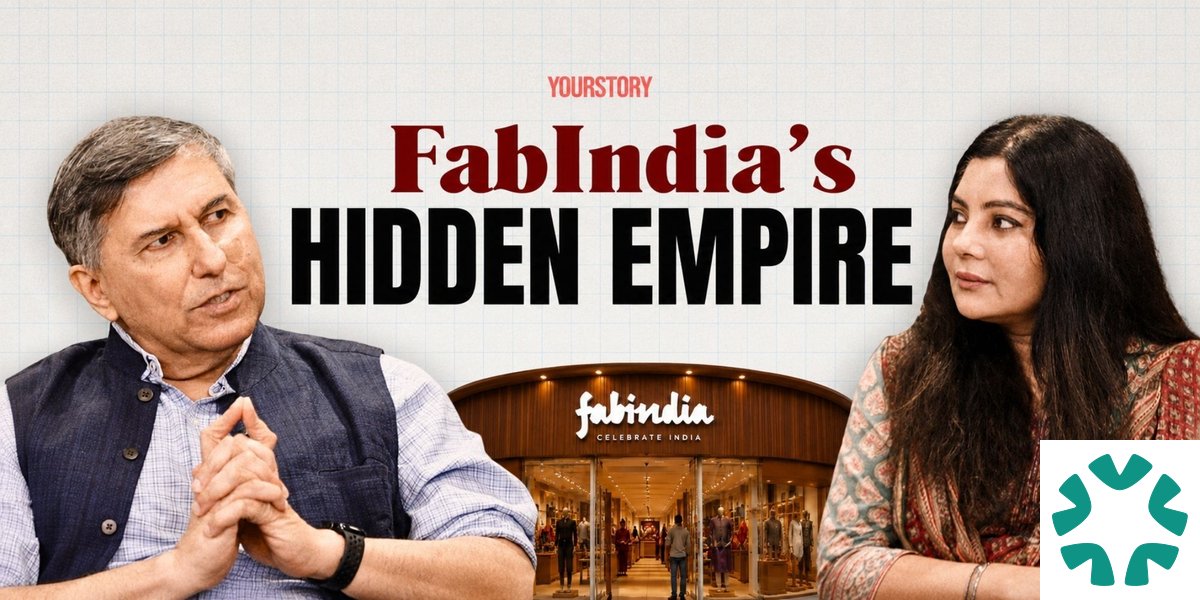
Fabindia, a brand synonymous with handcrafted Indian apparel and home goods, has been in operation for 66 years. Managing Director William Nanda Bissell emphasizes the importance of being a constant rather than a fleeting trend. In 2026, the company continues to adapt to changing retail landscapes while maintaining its core values.
FABINDIA'S PHILOSOPHY
Bissell believes that longevity in business speaks to rootedness. Fabindia aims to be a compass brand, staying relevant through the years rather than chasing short-lived trends. The brand's philosophy is deeply tied to its supply base, which consists of micro-enterprises and artisans. These relationships often span multiple generations, exemplified by the community-owned company Rangsutra.
SHIFTING RETAIL LANDSCAPE
The retail landscape in 2026 is undergoing significant changes. Bissell identifies two major shifts: the diversification of retail channels and the data asymmetry between digital and physical stores. Physical retail now competes with quick commerce, marketplace commerce, and social commerce. Digital platforms have the advantage of knowing customer browsing habits and can act swiftly, while physical stores remain anonymous to digital players.
SERVICES AND INNOVATION
To counter these shifts, Fabindia has introduced a range of personalized services. These include alterations, bespoke tailoring, and interior design solutions. The aim is to transform stores into destinations for unique experiences rather than mere necessity stops. Fabels, the new western wear sub-brand, exemplifies this strategy by blending traditional craft techniques with modern western silhouettes.
TECHNOLOGICAL INTEGRATION
Fabindia has also embraced technology to streamline operations. The company has implemented radio frequency identification (RFID) to quickly inventory stores, reducing the time from three days to just 12 to 18 minutes. This data feeds into an artificial intelligence system called the self-driving enterprise, which Bissell expects to manage back-end operations within a year. This technological integration allows Fabindia to maintain its diverse product range without simplifying it, catering to regional tastes.
FUTURE OUTLOOK
The success of Fabindia's strategy hinges on whether personalized services can attract customers in an era dominated by quick commerce. The company remains optimistic, but the true test will come in the coming quarters. If Fabindia's public listing proceeds, it will share its findings publicly, providing valuable insights for other brands navigating similar challenges.
FAQs
What is Fabindia's strategy for staying relevant?
Fabindia focuses on being a constant brand by offering personalized services and maintaining deep relationships with its supply base of micro-enterprises.
What is Fabels?
Fabels is Fabindia's new sub-brand for premium western wear, launched in 2026, which integrates traditional craft techniques into modern western designs.
How is technology helping Fabindia?
Fabindia uses RFID and artificial intelligence to streamline operations and maintain its diverse product range, catering to regional tastes.
CONCLUSION
Fabindia's approach to balancing tradition with modern retail trends in 2026 is a testament to its enduring philosophy of being a constant brand. By focusing on personalized services and technological integration, Fabindia aims to maintain its unique retail experience and continue its 66-year legacy.
CALL-TO-ACTION
Discover more about Fabindia's innovative strategies and retail trends by visiting blogy.in.
Sources
This story is an original summary and analysis written by LazyFounders from the reporting listed above. Facts are attributed to their original publishers; sections marked as analysis are LazyFounders's opinion. Where a source is in another language, facts were machine-translated and quotations are reported, not reproduced. Read the original coverage via the links.