
Unacademy-upGrad Acquisition: A $200M Merger in 2026
Discover the $200M Unacademy-upGrad acquisition in 2026, a bold merger initiated six years ago by Gaurav Munjal. Learn about the structural fit and future of edtech.
LazyFounders

30 SEC SUMMARY
In 2026, Unacademy and upGrad finalized a $200 million acquisition, a journey that began in 2020 when Gaurav Munjal proposed a merger. Despite initial skepticism, the structural fit between the two companies remained strong, leading to a strategic combination that aims to redefine India's edtech landscape.
TABLE OF CONTENTS
- Introduction
- The Initial Proposal
- The Structural Fit
- The Market Shift
- The Acquisition
- Future Prospects
- FAQ
- Conclusion
- Call-to-Action
KEY HIGHLIGHTS
- Unacademy-upGrad merger finalized in 2026 for $200 million
- Proposal initiated by Gaurav Munjal in 2020
- Focus on higher education and professional learning
- Potential to redefine India's edtech landscape
Introduction
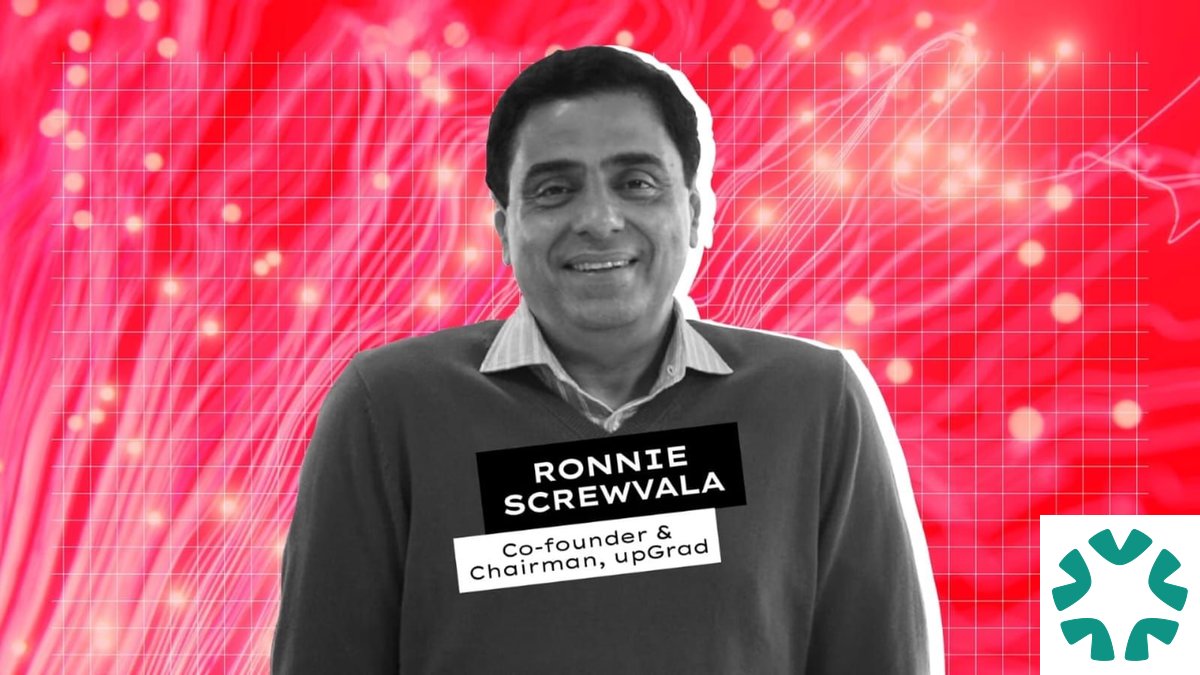
In 2026, the edtech industry witnessed a significant milestone with the $200 million acquisition of Unacademy by upGrad. This merger, however, did not happen overnight. It began six years earlier when Gaurav Munjal approached Ronnie Screwvala with an ambitious proposal.
The Initial Proposal
In 2020, during a lunch meeting at Taj Lands End in Mumbai, Munjal presented a bold idea to Screwvala and Mayank Kumar. Munjal proposed not just a merger but running the combined entity. Screwvala recalls Munjal's confidence and respect for the achievements of both companies.
The Structural Fit
Despite their different business models, the structural fit between Unacademy and upGrad remained compelling. Unacademy, founded on an online education model focused on competitive-exam preparation, had grown significantly, reaching a valuation of $1.5 billion by September 2020.
upGrad, on the other hand, was founded in 2015 by Screwvala, Mayank Kumar, and Phalgun Kompalli, focusing on higher education, online degrees, professional learning, and career development.
The Market Shift
By July 2025, the edtech market had undergone significant changes. The initial exuberance driven by the pandemic had faded, and companies were under pressure to demonstrate sustainable economics. This shift made the original 2020 conversation more than just startup history.
The Acquisition
The structural fit between Unacademy and upGrad remained relevant even as the market changed. Screwvala highlighted the strengths that Unacademy brought to the table: savviness, product & tech-first thinking, a different target audience, brand resilience, and a resilient team.
The acquisition aims to leverage these strengths to contribute to India's workforce and broader ambitions.
Future Prospects
The merger signifies a new chapter for both companies. It aims to combine Unacademy's consumer education platform and test-preparation business with upGrad's depth in higher education and professional learning.
This combination could redefine India's edtech landscape, offering comprehensive educational solutions.
FAQ
**Q: What was the initial proposal by Gaurav Munjal in 2020? A: Munjal proposed a merger between Unacademy and upGrad and even suggested running the combined entity.
**Q: What was the valuation of Unacademy in September 2020? A: Unacademy had a valuation of about $1.5 billion.
**Q: What are the main focuses of upGrad? A: upGrad focuses on higher education, online degrees, professional learning, and career development.
Conclusion
The Unacademy-upGrad acquisition in 2026 for $200 million marks a significant development in the edtech industry. It reflects the potential of edtech companies to contribute to India's workforce and broader ambitions, even as the market evolves.
Call-to-Action
For more insights into the future of edtech, visit blogy.in.
Sources
This story is an original summary and analysis written by LazyFounders from the reporting listed above. Facts are attributed to their original publishers; sections marked as analysis are LazyFounders's opinion. Where a source is in another language, facts were machine-translated and quotations are reported, not reproduced. Read the original coverage via the links.